Editorial: Elevating Casual Design with Marker-Style Handwriting
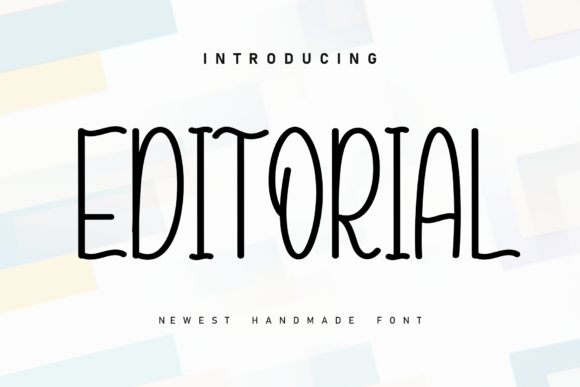
There is a distinct tension in modern graphic design between polished professionalism and authentic human connection. Brands often struggle to appear approachable without looking amateurish, or elegant without feeling stiff. Editorial resolves this specific design conflict by offering a handwritten typeface that mimics the confident stroke of a marker rather than the delicate scratch of a pen. It carries a relaxed, sporty energy that feels inherently luxurious yet undeniably casual. This unique combination makes it more than just a novelty font; it is a strategic tool for designers and business owners who need their visual identity to feel personal, premium, and accessible all at once.
The Psychology of Marker Typography in Branding
When we see handwriting in a commercial context, our brains immediately categorize it as "personal" or "informal." However, not all handwriting conveys the same message. Thin, shaky scripts can imply fragility or excessive sentimentality, which might not align with a lifestyle brand or a modern service provider. Editorial leverages the thicker, bolder aesthetic of marker ink to communicate confidence. The weight of the strokes suggests intention and permanence.
For branding projects, this distinction is crucial. A coffee shop using Editorial on its signage isn't just saying "we are handmade"; it is saying "we are bold, established, and energetic." The sporty undertone of the letterforms prevents the design from drifting into overly feminine or vintage territory, making it an excellent choice for unisex apparel lines, streetwear labels, or wellness brands that want to avoid clinical sterility. It bridges the gap between the raw authenticity of street art and the refined expectations of luxury retail.
Redefining Wedding Stationery and Event Design
The wedding industry has seen a massive shift away from rigid formality toward curated experiences that reflect the couple's actual personality. Traditional calligraphy remains beautiful, but it can sometimes feel disconnected from a couple who values hiking, music festivals, or minimalist fashion over ballroom galas. Editorial serves as the perfect typographic anchor for these non-traditional celebrations.
Consider the practical application on wedding supplies. Using this font for place cards, menu headers, or welcome signs introduces a tactile warmth that digital printing often lacks. Because the characters have a marker-drawn quality, they maintain legibility even at smaller sizes, which is a common failure point with ornate script fonts. For DIY brides and grooms creating their own stationery suites, Editorial offers a way to achieve a bespoke, high-end look without hiring a custom lettering artist. It pairs exceptionally well with clean sans-serif body text, creating a hierarchy that feels organized yet intimate. The font’s inherent elegance ensures that even a backyard reception maintains a sense of occasion and sophistication.
Fashion Lookbooks and Marketing Promotions
In the fast-paced world of fashion marketing, capturing attention requires balancing trendiness with readability. Editorial shines in lookbooks and promotional materials where the goal is to sell a lifestyle, not just a garment. When used as a headline font over editorial photography, the marker texture interacts beautifully with fabric textures and natural lighting, grounding the image in reality.
Marketing teams benefit from the font's versatility across different mediums. On social media graphics, the bold strokes remain crisp on mobile screens where thin lines often disappear. In email newsletters, it breaks up the monotony of standard web-safe fonts, signaling to the subscriber that this content is special or limited-time. For fashion brands targeting the 20–50 demographic, Editorial hits a sweet spot of nostalgia and modernity. It recalls the era of zines and independent publishing while remaining sharp enough for contemporary e-commerce. This duality allows brands to run sales promotions that feel like exclusive invitations rather than desperate clearance events.
Practical Considerations for Implementation
While Editorial is remarkably versatile, treating it like a standard text font will lead to design failures. Its strength lies in its display capabilities, and understanding its technical behavior is key to successful implementation.
- Hierarchy Management: Editorial demands to be the star. Use it for headlines, logos, pull quotes, and short phrases. Avoid using it for paragraphs or dense informational text. The irregular baseline and organic shapes that give it charm at large sizes become visual noise when scaled down for reading.
- Color and Contrast: Marker-style fonts rely on solid fills to maintain their integrity. They generally do not handle outlines, shadows, or complex gradients well. Stick to high-contrast color pairings. White text on a dark background or deep charcoal on cream paper allows the nuanced edges of the letterforms to stand out without getting lost.
- Spacing Adjustments: Handwritten fonts often have unique kerning needs. While Editorial is designed with professional spacing, you may need to manually adjust tracking depending on the word length. Tighter spacing can enhance the cohesive, logo-like feel for short words, while slightly looser spacing may be necessary for longer phrases to prevent letters from visually colliding.
- Contextual Pairing: To maximize the luxurious-casual vibe, pair Editorial with a geometric sans-serif or a structured serif. Avoid pairing it with other handwritten fonts, as this creates competition and visual clutter. The contrast between the organic marker strokes and rigid supporting typography is what creates the professional polish.
Navigating Tone and Audience Alignment
Choosing a typeface is ultimately an exercise in empathy. You must consider how your specific audience interprets visual cues. Editorial’s "sporty" characteristic makes it particularly effective for active lifestyles, travel, food and beverage, and creative services. It implies movement and spontaneity. However, if your project requires conveying tradition, heritage, or corporate stability, this font might send mixed signals.
For example, a financial advisor targeting retirees would likely find Editorial too informal, potentially undermining trust. Conversely, a fintech app targeting Gen Z investors could use it effectively to signal disruption and accessibility. Always test the font in context before committing. Print out mockups, view them on different devices, and ask yourself if the emotional tone matches the brand promise. The marker aesthetic should enhance the message, not distract from it.
Maximizing Value Across Different Projects
The true value of Editorial emerges when users move beyond viewing it as mere decoration and start treating it as a voice. For small business owners operating on tight budgets, it provides instant brand equity. A simple packaging label transformed with this typeface can justify a higher price point because it signals artisanal care. For professional designers, it offers a reliable solution for clients who want "handmade" without the messiness associated with amateur lettering.
Digital creators and influencers also find utility in its adaptability. Whether designing YouTube thumbnails, podcast cover art, or merchandise, the font scales effortlessly. Its distinctive character helps build visual recognition across platforms, acting as a consistent thread in a fragmented media landscape. Ultimately, Editorial succeeds because it respects the intelligence of the viewer. It doesn't try too hard to be fancy, nor does it apologize for being casual. It simply exists as a confident, stylish expression of modern creativity, ready to elevate whatever project it touches.