Phyllis Font: Bold Decorative Display Typography
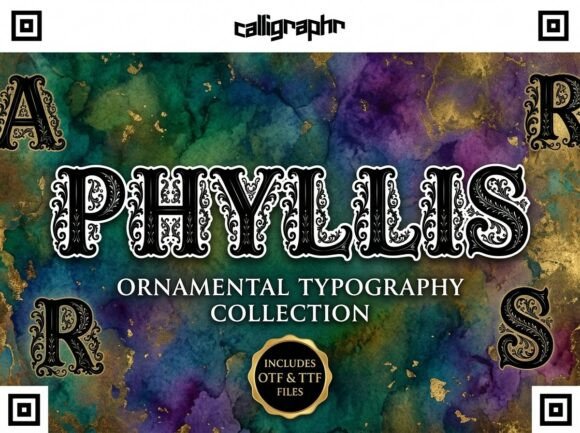
Typography is often the silent ambassador of a brand or project, but Phyllis refuses to remain silent. This stunning decorative display font is engineered specifically to be the center of attention, featuring unique artistic elements and a strong visual personality that commands immediate recognition. Unlike standard body text typefaces designed for readability at small sizes, Phyllis serves as a graphic element in its own right. It offers creators a way to break away from ordinary design conventions while maintaining a professional and polished finish suitable for commercial applications.
Understanding the specific nature of this typeface is crucial before integrating it into your workflow. Phyllis is versatile enough for bold headlines, artistic logos, and creative packaging, yet it operates under distinct technical parameters. Most notably, it is an all-caps uppercase-only display typeface. It does not include lowercase letters because every character has been meticulously crafted as a standalone work of art. This intentional limitation ensures visual consistency and high impact, making it ideal for specific use cases where legibility takes a backseat to aesthetic expression.
Diverse Perspectives on Decorative Typography
The value of a specialized font like Phyllis shifts dramatically depending on who is using it and what they aim to achieve. A seasoned art director evaluates this tool differently than a small business owner designing their first product label. Recognizing these varying priorities helps determine if this typeface aligns with your current objectives.
For Professional Designers and Agencies
Experienced designers prioritize flexibility and technical reliability alongside aesthetics. For this group, Phyllis represents a solution to the "generic header" problem. When building brand identities or editorial layouts, professionals need assets that distinguish a client without sacrificing production quality. The availability of both OTF and TTF files ensures seamless integration across industry-standard software like Adobe Illustrator and InDesign, as well as more accessible tools. Professionals appreciate the all-caps constraint not as a limitation, but as a curated stylistic choice that eliminates the guesswork of mixed-case pairing, allowing them to focus on spacing, color, and composition.
Entrepreneurs and Small Business Owners
For business owners, typography is directly tied to commercial value and brand perception. You might not have a degree in graphic design, but you understand that your packaging needs to stand out on a crowded shelf or your social media graphics need to stop the scroll. Phyllis offers a shortcut to premium branding. Its strong visual personality conveys confidence and creativity, which can elevate perceived product value. However, entrepreneurs must also consider practical application. Because this font lacks lowercase letters, it requires thoughtful implementation. It works best for short, punchy statements rather than long descriptions, ensuring your message remains readable while looking professionally designed.
Educators, Content Creators, and Hobbyists
In educational materials, YouTube thumbnails, or personal craft projects, engagement is the primary metric. These users often seek fonts that add flair without requiring advanced typographic knowledge. Phyllis simplifies the decision-making process; since every letter is already stylized, there is no need to manually adjust ligatures or swashes to make the text look interesting. For educators creating engaging worksheets or presentation slides, the bold nature of the font helps highlight key vocabulary or section titles. Hobbyists working on scrapbooking or Cricut projects will find that the uniform height and decorative details translate beautifully to physical media, provided the cut lines are clean.
Evaluating Priorities: Quality, Flexibility, and Usability
Selecting the right font involves balancing competing priorities. While Phyllis excels in presentation and creativity, potential users must weigh these against other factors like ease of use and long-term usefulness.
- Presentation vs. Readability: Phyllis maximizes visual impact at the expense of extended reading comfort. If your goal is to convey complex information, this should only be used for the title. Body copy requires a complementary sans-serif or serif font.
- Creativity vs. Speed: Because the font is inherently decorative, it reduces the time spent adding manual flourishes. However, the all-caps format may require additional time for tracking (letter-spacing) adjustments to ensure the dense characters breathe properly within a layout.
- Technical Compatibility: The inclusion of both OpenType (OTF) and TrueType (TTF) formats addresses the priority of reliability. OTF is generally preferred for print and advanced layout features, while TTF ensures compatibility with older systems, basic office software, and certain crafting machine software.
- Commercial Value: For freelancers and agencies, owning a distinctive display font adds to the asset library, reducing future licensing costs for similar styles. The polished finish ensures it meets client expectations for professional deliverables.
Practical Applications Across Different Projects
To truly understand if Phyllis matches your goals, it helps to visualize it in context. The following examples illustrate how different audiences might leverage this typeface effectively.
Bold Headlines and Editorial Design
Bloggers and publishers can use Phyllis to create hierarchy in digital or print articles. A headline set in this font immediately signals the tone of the piece—whether it is an avant-garde fashion feature or a bold opinion column. The key here is contrast; pairing the heavy, decorative strokes of Phyllis with a clean, minimal body font prevents visual fatigue and guides the reader’s eye naturally down the page.
Artistic Logos and Brand Identity
Freelancers and brand strategists can utilize Phyllis as the foundation for logotypes. Since the characters are designed with unique artistic elements, they often function as ready-made icons. A coffee shop, boutique hotel, or creative studio could use the font for their primary wordmark, relying on the built-in personality to communicate vibe and era without needing extensive custom illustration. Remember to test the logo at various sizes; intricate decorative details may need simplification for very small applications like favicons or embroidery.
Creative Packaging and Merchandise
Product designers and makers can apply Phyllis to labels, tags, and unboxing experiences. On a wine bottle or artisanal soap wrapper, the all-caps formatting creates a structured, badge-like appearance that feels established and trustworthy. For merchandise like tote bags or t-shirts, the font’s strong silhouette ensures the design remains legible from a distance, turning the typography itself into the main graphic attraction.
Technical Considerations Before Implementation
Before adding Phyllis to your next project, acknowledge the technical specifications to avoid workflow friction. The absence of lowercase letters is a definitive feature, not a bug. This means you cannot type sentences in standard case; everything will render in uppercase. Plan your copy accordingly. Short phrases, single words, and acronyms yield the best results. Long paragraphs will appear as monotonous blocks of capital letters, which are difficult to scan and visually aggressive.
Additionally, consider the file format best suited for your environment. If you are working in professional design suites, the OTF file provides the most robust support for rendering and kerning. If you are using web-based design tools, Microsoft Office, or cutting machine software, the TTF file is likely the safer choice for universal compatibility. Having both options included ensures that your design intent remains intact regardless of the platform you switch to during the production process.
Determining Fit for Your Specific Needs
Ultimately, Phyllis is a specialized tool rather than a universal solution. It is an excellent match for users who need high-impact visuals, value artistic integrity, and understand the role of display typography in visual hierarchy. Beginners will appreciate its instant style upgrade, while professionals will respect its polished execution and file versatility.
However, if your project requires extensive body text, subtle nuance through mixed casing, or a neutral background texture, this typeface may not serve your immediate needs. Evaluate your project’s primary goal: if the objective is to capture attention and convey a strong, decorative personality in limited space, Phyllis delivers precisely that. By aligning the font’s inherent strengths with your specific audience and output requirements, you ensure that your typography enhances rather than hinders your communication.