Leon: Elevating Brand Identity with Bold Decorative Typography
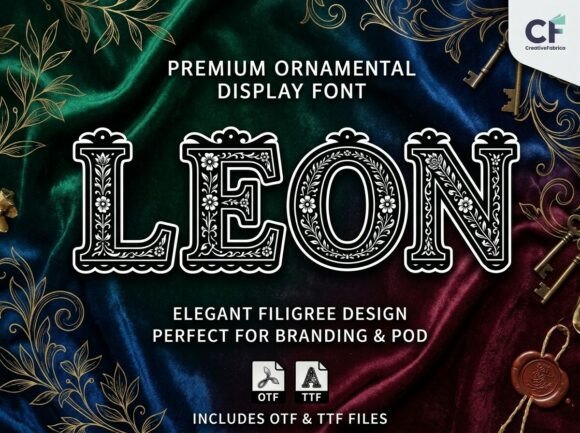
In the crowded landscape of modern graphic design, capturing immediate visual attention is often the difference between a project that succeeds and one that fades into the background. Typography serves as the voice of any visual composition, and when the goal is to make a definitive statement, standard sans-serifs or traditional serifs sometimes fall short. This is where Leon enters the conversation. As a stunning decorative display font, Leon is engineered specifically to be the center of attention, offering creators a tool that breaks away from ordinary typographic conventions while maintaining a polished, professional finish.
Choosing a typeface is never just about aesthetics; it is a strategic decision that influences readability, brand perception, and emotional resonance. Leon distinguishes itself through unique artistic elements and a strong visual personality that transforms simple text into a graphical element. Whether you are designing bold headlines, crafting artistic logos, or developing creative packaging, understanding the specific characteristics and technical requirements of this typeface is essential for integrating it effectively into your workflow.
The Strategic Role of All-Caps Display Typefaces
Before incorporating Leon into a design system, it is vital to understand its structural nature. This typeface is an ALL-CAPS Uppercase Only display font. It does not include lowercase letters. For designers accustomed to versatile family packs, this distinction is crucial. The absence of lowercase characters is not a limitation but a deliberate design choice intended to maximize impact.
Uppercase-only fonts like Leon are historically rooted in signage, monumental inscription, and high-fashion editorial design. They command authority and occupy space with confidence. Because every letterform is designed to stand alone as a work of art, the rhythm and spacing differ significantly from mixed-case typography. This makes Leon exceptionally well-suited for:
- High-Impact Headlines: Where the text must function as a primary visual anchor rather than secondary information.
- Decorative Initials: Using individual characters as drop caps or standalone graphical motifs within a layout.
- Logotypes and Wordmarks: Creating brand identifiers that rely on shape and silhouette rather than sentence-level readability.
- Short-Form Messaging: Social media graphics, poster titles, and merchandise where brevity meets style.
Designers should avoid using Leon for body copy, captions, or extended paragraphs. Its decorative nature and uniform capitalization reduce reading speed over long passages. Instead, treat it as a specialized instrument for emphasis and hierarchy, pairing it with clean, neutral typefaces for supporting text to create a balanced, professional composition.
Versatility Across Creative Industries
While Leon possesses a distinct artistic flair, it avoids being pigeonholed into a single niche. Its versatility allows it to traverse multiple industries and aesthetic movements. In the fashion and beauty sectors, the font’s elegant yet bold strokes convey luxury and modernity. For music festivals and entertainment branding, the same letterforms take on an energetic, dynamic quality that resonates with younger demographics.
Packaging design represents another area where Leon excels. On a store shelf, products have milliseconds to communicate their value proposition. A decorative display font provides the necessary visual weight to stop the scroll or the shopper's gaze. Because Leon maintains a polished finish despite its artistic elements, it works equally well for premium artisanal goods and contemporary tech accessories. The key lies in application; adjusting tracking (letter-spacing) can dramatically alter the mood. Tighter tracking creates a dense, blocky texture suitable for streetwear or industrial themes, while generous tracking evokes sophistication and airiness appropriate for high-end cosmetics or architectural firms.
Integrating Leon into Modern Design Workflows
Adopting a new typeface involves more than just installation; it requires understanding how the file formats interact with your software ecosystem. Leon is provided in two industry-standard formats to ensure seamless integration across different platforms and project types.
The OTF (OpenType Font) file is generally the preferred format for professional designers working in Adobe Illustrator, InDesign, Photoshop, or Affinity Designer. OpenType supports advanced typographic features and typically offers better rendering for print and complex vector work. If you are manipulating the letterforms, creating custom ligatures, or preparing files for commercial printing, the OTF version ensures the highest fidelity and access to any embedded stylistic alternates.
Conversely, the TTF (TrueType Font) file serves as the universal compatibility standard. This format is ideal for web designers, app developers, or creators working in software that may not fully support OpenType features. TTF files are also the safer choice for cross-platform collaboration, ensuring that the font renders consistently whether the file is opened on Windows, macOS, or older design applications. Having both formats included eliminates friction when moving projects between different environments or handing off files to clients with varying technical setups.
Pairing and Hierarchy Considerations
Because Leon is so visually dominant, successful implementation depends heavily on thoughtful pairing. The font demands negative space and contrast. When setting headlines in Leon, consider the following practical guidelines to maintain professionalism:
- Contrast Weight: Pair Leon with light or regular-weight sans-serifs. Combining it with another bold or decorative font will create visual competition and clutter.
- Simplify Supporting Elements: Let the typography be the hero image. Avoid overly complex backgrounds or textures directly behind Leon letterforms, as the intricate details of the display font need clarity to remain legible.
- Mind the Tracking: All-caps fonts often require optical adjustments. Default spacing may feel too tight or too loose depending on the word length. Manually adjusting kerning and tracking is often necessary to achieve a custom, bespoke look.
- Color Strategy: Leon’s strong personality pairs well with both minimalist monochrome palettes and vibrant, maximalist color schemes. However, ensure sufficient contrast ratios if accessibility is a concern, especially for digital applications.
Evaluating Suitability for Your Project
Selecting Leon should be a deliberate choice aligned with project goals. Ask yourself whether the design requires a "voice" that is loud, artistic, and uncompromising. If the objective is subtle communication or dense information delivery, this typeface is likely not the right tool. However, if the brief calls for breaking patterns, establishing a memorable brand asset, or creating an emotional connection through form, Leon offers a robust solution.
It is also worth considering the longevity of the design. Decorative fonts can sometimes feel tied to a specific era or trend. Leon mitigates this risk through its polished construction and balanced proportions, which ground its artistic flourishes in solid typographic principles. This balance helps ensure that designs created today will retain their relevance and professional appeal well into the future.
Ultimately, typography is about problem-solving. Leon solves the problem of invisibility. By understanding its all-caps nature, leveraging the appropriate file formats, and applying it with strategic restraint, designers can harness its full potential to create work that is not only seen but remembered. Whether for a rebrand, a product launch, or an artistic exploration, this font provides the distinctive character necessary to elevate creative output above the noise of the everyday.