Maeve Font: Adding Raw Texture to Bold Design Projects
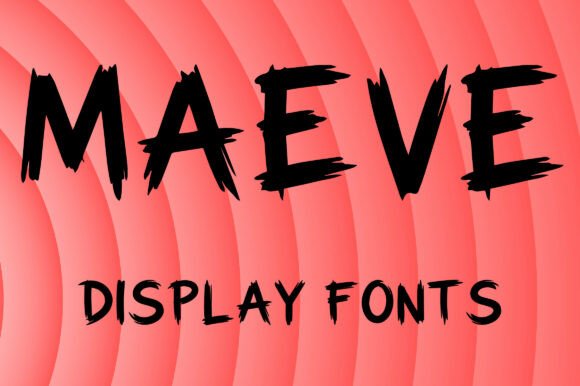
In the crowded landscape of digital and print design, capturing immediate attention requires more than just color or layout; it demands typography that carries emotional weight. Maeve is a bold display font specifically engineered to provide this visceral impact through its rough brush-style aesthetic. Unlike polished sans-serifs or traditional serifs that prioritize neutrality, Maeve embraces imperfection. Its uppercase letterforms feature jagged edges and hand-painted strokes that introduce a human element to mechanical layouts. For designers, marketers, and business owners, understanding how to leverage this expressive character can transform generic headlines into memorable visual anchors.
The Strategic Value of Textured Typography
Typography often serves as the subconscious voice of a brand. While clean fonts suggest corporate stability, textured typefaces like Maeve communicate energy, authenticity, and urgency. The dramatic textured details within each glyph prevent the design from feeling sterile. This is particularly valuable in an era where consumers are increasingly skeptical of overly curated perfection. When you utilize a font with visible brush artifacts and uneven baselines, you signal approachability and creative confidence.
This raw aesthetic solves a specific communication problem: distinguishing artistic or lifestyle brands from corporate entities. If your project aims to evoke street culture, indie music, artisanal craftsmanship, or athletic intensity, standard geometric fonts may fail to convey the necessary grit. Maeve bridges this gap by providing a pre-styled texture that would otherwise require hours of manual distressing in post-production. This efficiency allows creators to maintain a cohesive, edgy look across multiple assets without sacrificing production speed.
Optimizing Brand Identity and Packaging
For entrepreneurs and product designers, packaging is often the first physical touchpoint with a customer. Maeve’s strong expressive character makes it exceptionally suitable for shelf presence. The bold weight ensures legibility at smaller scales on labels, while the jagged edges create a tactile visual quality that invites closer inspection. Consider a craft hot sauce label or a sustainable coffee bag; these products benefit from typography that looks handmade rather than mass-produced.
However, successful application requires restraint. Because Maeve is designed exclusively with uppercase letters A–Z and numbers 0–9, it functions best as a primary display face rather than a secondary text font. Pairing it with a simple, high-readability sans-serif for body copy creates a necessary hierarchy. The contrast between the chaotic energy of Maeve and the structured calm of supporting text guides the viewer’s eye effectively, ensuring the brand name pops while essential information remains accessible.
Enhancing Digital Engagement and Social Media
Social media graphics operate in a high-velocity environment where users scroll rapidly. Static, uniform text often blends into the background noise of a feed. Maeve’s energetic personality acts as a pattern interrupt. The irregularity of the hand-painted strokes creates natural focal points that draw the eye even in thumbnail sizes. For content creators and social media managers, this means higher potential engagement rates on quote cards, event announcements, and promotional stories.
When designing for screens, consider the technical rendering of rough edges. While Maeve’s texture is a strength, it requires adequate negative space to breathe. Crowding these letterforms against busy photographic backgrounds can reduce legibility. A practical recommendation is to use solid color blocks or subtle gradients behind the text when placing Maeve over complex imagery. This preserves the integrity of the jagged details and ensures the message is instantly readable on mobile devices, where most social consumption occurs.
Practical Applications for Headlines and Posters
Event promoters and publishers frequently face the challenge of conveying tone through title treatment alone. A music festival poster using a sleek modern font might imply a tech conference, whereas the same layout using Maeve immediately suggests live performance and raw energy. The font’s inherent dynamism reduces the reliance on illustrative elements to set the mood. This can simplify design decisions and lower asset costs, as the typography itself performs double duty as both information carrier and decorative element.
For editorial layouts and blog headers, Maeve offers a way to break up long-form content visually. Using it for pull quotes or section dividers adds rhythm to the page. However, because the font lacks lowercase characters, it should never be used for extended reading. Reserve it strictly for short, punchy statements where the all-caps formatting enhances rather than hinders comprehension. This limitation is actually a feature; it forces concise copywriting, which generally improves user experience and retention.
Navigating Limitations and Technical Fit
While Maeve is a powerful tool, it is not a universal solution. Understanding its constraints prevents frustration during the design process. The absence of lowercase letters means it cannot function as a versatile system font for websites or lengthy documents. It is a specialist tool, akin to a wide-angle lens in photography—excellent for specific shots but inappropriate for portraits. Designers should evaluate their project scope before committing to this typeface.
Additionally, the rough texture may not reproduce well in certain manufacturing contexts. Embroidery, small-scale engraving, or low-resolution faxing can obscure the delicate jagged edges, turning distinct letterforms into muddy blobs. Always test Maeve at the final output size and medium before approving production files. In situations requiring extreme scalability or formal elegance, comparing Maeve against cleaner brush scripts or distressed slab serifs is advisable to ensure the chosen aesthetic aligns with practical reproduction requirements.
Who Benefits Most from Expressive Display Fonts
The primary beneficiaries of Maeve are those whose work relies on emotional resonance over informational density. Freelance designers building portfolios will find it useful for creating striking case study covers that demonstrate stylistic range. Small business owners in creative industries—tattoo artists, vintage resellers, fitness coaches—can use it to establish a distinctive visual identity without hiring a custom letterer. Educators and non-profit organizers can leverage its boldness to create advocacy materials that feel urgent and grassroots rather than institutional.
Ultimately, Maeve serves as a catalyst for creative expression. It encourages bolder layout choices and more confident messaging. By integrating a font with such strong character, professionals can elevate their work from functional to evocative. The key lies in intentional application: respecting the font’s loud personality by giving it space, pairing it wisely, and deploying it only where its raw energy genuinely supports the communication goal. When used with this level of consideration, Maeve becomes more than just a collection of glyphs; it becomes a strategic asset in visual storytelling.