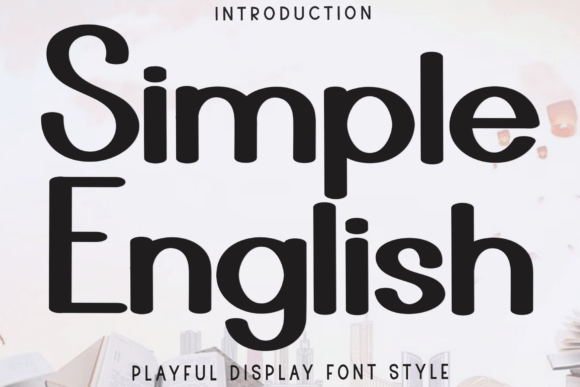
Simple English: Bringing Festive Cheer and Technical Ease to Holiday Typography
The holiday season is a time when visual communication takes on a special significance. From handmade greeting cards to professional marketing campaigns, the typography chosen for these projects sets the emotional tone before a single word is read. Among the vast library of seasonal typefaces, Simple English stands out as a unique solution that balances whimsical aesthetics with modern technical functionality. This font captures the spirit of the holidays through decorative elements and a merry disposition, yet it remains accessible enough for a wide range of users. Understanding how to leverage this typeface effectively requires looking beyond its festive appearance to examine its practical applications, technical advantages, and best practices for design integration.
Defining the Visual Character of Seasonal Design
Typography is more than just legible text; it is a visual voice. When selecting a typeface for holiday-themed projects, designers and creators seek specific attributes that evoke warmth, nostalgia, and celebration. Simple English embodies these qualities through distinct stylistic choices that differentiate it from standard serif or sans-serif fonts.
- Whimsical Flair: The letterforms feature playful curves and unexpected details that mimic hand-lettering. This organic quality suggests personal care and craftsmanship, which is essential for connecting with audiences during the festive season.
- Decorative Elements: Unlike minimalist fonts, this typeface includes built-in ornamentation. Swashes, flourishes, and stylized terminals add a layer of enchantment without requiring separate graphic assets.
- Nostalgic Ambiance: The design draws inspiration from vintage holiday signage and classic storybook illustrations. This triggers positive emotional associations, making it ideal for brands or individuals wanting to convey tradition and comfort.
- Cheerful Weight: The stroke weight is balanced to feel substantial yet airy. It avoids the heaviness of some display fonts while maintaining enough presence to serve as a focal point in layouts.
These characteristics make Simple English particularly effective for projects where the goal is to elicit an emotional response. Whether used by a professional graphic designer creating a corporate holiday newsletter or a hobbyist crafting gift tags, the font provides an instant atmospheric foundation.
Technical Accessibility Through PUA Encoding
One of the most significant barriers to using decorative fonts has historically been accessibility. Many beautiful typefaces hide their best features—ligatures, alternates, and ornaments—behind complex software requirements or private use areas that are difficult to access. Simple English addresses this challenge through PUA (Private Use Area) encoding.
PUA encoding allows all glyphs and ligatures to be mapped to specific Unicode points that are accessible via standard character maps and glyph panels. This technical specification offers several practical advantages for users across different skill levels:
- Software Agnostic Access: Users do not need expensive professional design software like Adobe Illustrator or InDesign to access special characters. The glyphs can be copied and pasted into basic word processors, Cricut Design Space, Silhouette Studio, and other consumer-grade tools.
- Streamlined Workflow: For professionals, PUA encoding reduces friction. Instead of manually adjusting kerning or searching through OpenType menus, designers can quickly insert the exact ligature or swash they need directly from the glyph panel.
- Consistency Across Platforms: Because the characters are encoded within the font file itself, the appearance remains consistent whether the design is created on Windows, macOS, or tablet-based design apps.
- Ease of Learning: Educators and beginners can explore advanced typographic features without a steep learning curve. This democratizes high-quality design, allowing students and hobbyists to achieve professional-looking results immediately.
This technical foundation ensures that the "magic" of the font is not locked away but is readily available to anyone who installs it. It bridges the gap between artistic intent and practical execution.
Practical Applications Across User Groups
The versatility of Simple English extends across various domains. Different user groups leverage its festive nature and technical ease for distinct purposes.
For Creators and Hobbyists
Individuals engaged in DIY projects form a core audience for this typeface. The font’s readability at smaller sizes makes it excellent for physical crafts. Common applications include:
- Gift Tags and Labels: The whimsical style adds a premium, handmade feel to presents without requiring calligraphy skills.
- Scrapbooking and Journaling: Headers and captions benefit from the nostalgic ambiance, helping to preserve memories with appropriate styling.
- Vinyl Cutting Projects: Because the PUA encoding works seamlessly with cutting machine software, users can create custom holiday decals, mug designs, and apparel with intricate letterforms that cut cleanly.
For Business Owners and Marketers
Commercial users must balance festivity with brand integrity. Simple English serves as a strategic tool for seasonal campaigns. It works best as a display font for headlines, social media graphics, and email subject headers rather than body copy. Businesses utilize it to:
- Humanize Corporate Communications: A holiday sale announcement feels less transactional and more celebratory when set in a cheerful typeface.
- Create Cohesive Seasonal Branding: Using the same festive font across web banners, packaging, and in-store signage creates a unified customer experience.
- Enhance Product Packaging: Limited-edition holiday packaging benefits from typography that signals exclusivity and seasonal relevance.
For Educators and Researchers
In educational settings, typography influences engagement and comprehension. Teachers and educational content creators use Simple English to make learning materials more inviting during the holiday term. Examples include:
- Festive Classroom Decor: Welcome signs, bulletin boards, and reward certificates become more exciting with decorative typography.
- Themed Worksheets and Activities: Holiday-themed reading passages or math problems feel like treats rather than chores when presented with engaging visuals.
- Presentation Slides: Researchers presenting at end-of-year conferences or community events can use the font for title slides to set a positive, reflective tone before transitioning to standard body fonts for data.
Best Practices for Implementation and Pairing
To maximize the effectiveness of Simple English, users should follow established typographic principles. While the font is designed to be user-friendly, thoughtful application ensures optimal results.
Hierarchy and Contrast: Because Simple English is highly decorative, it commands attention. It should primarily be used for headings, titles, and short phrases. Pair it with a clean, neutral sans-serif or simple serif font for body text. This contrast ensures readability and prevents the design from becoming visually overwhelming. The festive font acts as the garnish, while the supporting font provides the substance.
Spacing and Kerning: Decorative fonts often have unique spacing needs. Even with PUA-encoded ligatures, manual adjustments may be necessary depending on the specific word combination. Always review the spacing at the final output size. What looks acceptable on a large monitor may appear too tight or too loose when printed on a small gift tag or viewed on a mobile device.
Color Considerations: The intricate details of the letterforms can be lost if color contrast is insufficient. Avoid using low-contrast combinations like light gold on white paper. Rich, traditional holiday colors such as deep red, forest green, navy, and metallic tones tend to showcase the font’s whimsical flair best. Conversely, white text on a dark background can create an elegant, glowing effect reminiscent of winter lights.
Contextual Appropriateness: While the font is versatile, it is distinctly festive. Users should consider the longevity of their designs. A template intended for year-round use might require a more neutral alternative, reserving Simple English specifically for November through January projects. However, for dedicated holiday assets, its specificity is its greatest strength.
The Intersection of Tradition and Modern Utility
Simple English represents a successful fusion of traditional aesthetic values and contemporary digital requirements. In an era where design tools are increasingly accessible to non-professionals, fonts that offer both beauty and ease of use are invaluable. The PUA encoding removes technical barriers, allowing the focus to remain on creativity and communication.
For professionals, it streamlines the production of seasonal assets. For consumers and hobbyists, it elevates personal projects to a level of polish previously difficult to achieve. For educators and businesses, it provides a reliable visual shorthand for joy and celebration. By understanding its characteristics, technical capabilities, and appropriate use cases, users can harness the full potential of this typeface. The result is typography that does not merely display words but actively participates in spreading the enchantment and cheer of the holiday season. Whether designing a single gift tag or a comprehensive marketing campaign, Simple English offers a dependable and delightful foundation for festive expression.