Bayakub: Modern Islamic Typography for Brand Identity
Finding a typeface that genuinely respects cultural heritage while functioning in a contemporary digital landscape is one of the most persistent challenges in niche branding. Bayakub addresses this specific gap by merging the fluidity of traditional Islamic art with the structural clarity of modern geometric design. It is not merely a decorative novelty; it is a functional display font engineered to communicate identity, faith, and modernity simultaneously. For designers and entrepreneurs working within Muslim-majority markets or creating content for global Islamic audiences, this typeface offers a sophisticated alternative to overused calligraphy scripts or generic sans serifs that lack cultural resonance.
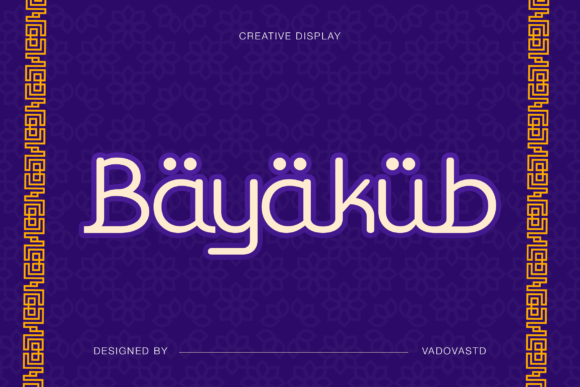
The visual personality of Bayakub lies in its rounded terminals and balanced proportions. Unlike sharp-edged Kufic styles that can sometimes feel austere or overly technical, Bayakub introduces softness without sacrificing authority. This creates an immediate sense of approachability and harmony, making it exceptionally well-suited for brands that need to project warmth alongside professionalism. Whether you are designing for a fintech startup in Dubai or a community organization in Dearborn, the letterforms carry an inherent familiarity that builds instant trust with the target demographic.
Strategic Applications Across Digital and Print Media
Versatility is the hallmark of any premium font intended for commercial use, and Bayakub demonstrates this through its adaptability across various touchpoints. In logo design, the distinct character shapes provide enough uniqueness to stand alone as a wordmark without requiring extensive modification. The geometric foundation ensures that the logotype remains legible at small sizes, such as app icons or social media avatars, while the intricate details shine in large-format applications like signage or exhibition banners.
For editorial design and publishing, Bayakub serves as an excellent anchor for headlines and chapter titles. When laying out magazines, annual reports, or coffee table books focused on Islamic culture, history, or lifestyle, this typeface establishes a clear visual hierarchy. It signals to the reader that they are engaging with content rooted in a specific tradition, yet presented through a fresh lens. This is particularly valuable for publishers trying to attract younger readers who appreciate high-quality modern typography but still expect cultural authenticity.
- Ramadan and Eid Campaigns: Move beyond cliché lantern imagery by using Bayakub as the primary typographic element in greeting cards, social media templates, and promotional packaging. The font’s festive yet structured nature elevates seasonal marketing materials above standard template designs.
- Halal Product Packaging: Consumer trust is paramount in the halal industry. Using a culturally resonant font on food, cosmetic, or pharmaceutical packaging reinforces brand integrity and helps products stand out on crowded retail shelves against competitors using generic Latin typefaces.
- Mosque and Community Identity: Modern mosques often struggle to balance traditional reverence with contemporary community needs. Bayakub works beautifully for wayfinding systems, event flyers, and website headers, bridging the generational gap between older congregants and youth programs.
- Islamic Tech and Finance: Startups in these sectors require a brand identity that feels innovative rather than archaic. The clean lines of Bayakub align perfectly with UI/UX interfaces, dashboard headers, and pitch decks where readability and cultural signaling must coexist.
Influencing Perception Through Typographic Choice
Typography is never neutral; it carries emotional and cultural weight that directly influences how an audience perceives a message. When you select Bayakub for a project, you are making a deliberate statement about inclusivity and cultural intelligence. In markets saturated with Western-centric design standards, utilizing a creative font that draws from Middle Eastern heritage validates the audience's identity. This psychological connection can significantly improve engagement rates in marketing campaigns and foster deeper loyalty in brand building.
From a practical usability standpoint, the font’s design prioritizes readability despite its stylized nature. Many display fonts inspired by Arabic script suffer from poor spacing or confusing ligatures when adapted for Latin characters. Bayakub avoids this pitfall by maintaining consistent x-heights and open counters. This ensures that even when used in all-caps settings for impactful statements, the text remains accessible. However, because it is a display font, it should be reserved for short bursts of text. Attempting to set body copy in Bayakub will fatigue the reader; instead, pair it with a clean, neutral sans serif or a highly legible serif font for long-form content to maintain professional standards.
Evaluating Fit and Technical Considerations
Before integrating Bayakub into your next project, take time to evaluate whether its specific personality aligns with your brand voice. While it is versatile, it is distinctly bold and culturally coded. If your brand aims for minimalist neutrality or corporate sterility, this typeface might introduce too much character. Conversely, if your goal is to celebrate heritage, foster community, or differentiate through cultural aesthetics, it is likely an ideal match. Test the font in context early in the design process. Mock up real headlines, navigation menus, and product labels rather than viewing the typeface in isolation. Context reveals how the rounded forms interact with photography, color palettes, and negative space.
Font pairing requires careful attention to contrast. Because Bayakub has strong geometric features and rounded terminals, it pairs best with typefaces that offer structural opposition or complementary simplicity. A crisp neo-grotesque sans serif provides a modern, tech-forward backdrop that lets Bayakub shine as the hero element. Alternatively, a traditional serif font can create a more academic or literary aesthetic, suitable for educational institutions or heritage brands. Avoid pairing it with other decorative or script fonts, as this creates visual competition and reduces overall legibility.
Licensing is another critical factor for commercial projects. Always verify the specific license terms included with your download. Personal use licenses typically do not cover client work, merchandise for sale, or embedded web fonts. Investing in the proper commercial license protects both you and your client from legal issues and supports the type designer’s continued work. Furthermore, check the included assets. Premium versions of Bayakub may include alternate characters, ligatures, or ornamental elements that can add bespoke flair to logos and packaging. Utilizing these extras prevents your design from looking identical to others using the same base font.
Ultimately, Bayakub represents a maturation of Islamic-inspired typography. It moves past imitation and stereotype, offering designers a tool that is as functional as it is meaningful. By understanding its strengths in hierarchy, cultural signaling, and brand differentiation, creative professionals can leverage this typeface to build identities that resonate deeply with modern audiences while honoring timeless traditions. Whether applied to a sleek mobile app interface or a textured paper invitation, Bayakub proves that cultural specificity and contemporary design excellence are not mutually exclusive—they are, in fact, most powerful when combined.