Boneplay: Mastering the Balance of Spooky and Playful Typography
Typography is the silent ambassador of any design project, but when it comes to seasonal themes like Halloween, that ambassador needs to speak a very specific language. Finding a typeface that captures the essence of the holiday without descending into illegibility or cliché is a common challenge for designers and business owners alike. This is where Boneplay enters the creative toolkit. As a display font specifically engineered for eerie yet festive projects, Boneplay offers a unique solution for those seeking to blend horror-inspired styling with approachable charm.
Unlike traditional horror fonts that often rely on dripping blood effects or jagged, aggressive edges, Boneplay takes a different approach. It is designed to be frightfully fun rather than genuinely terrifying. This distinction is crucial for modern creators who need to appeal to broad audiences, including families and younger demographics. Understanding the nuances of this typeface can help you determine if it is the right asset for your next spooky campaign, party invitation, or product packaging.
The Anatomy of Festive Horror Design
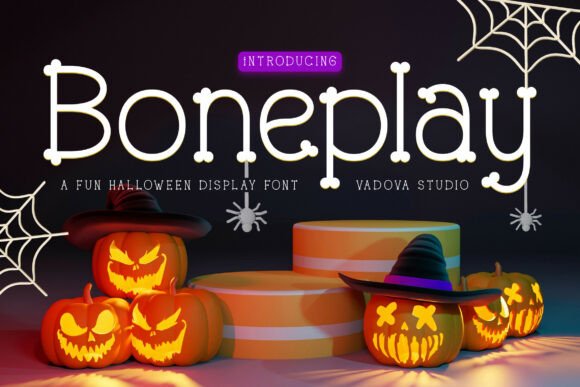
To effectively utilize Boneplay, one must first understand what makes it visually distinct. The font features quirky curves and organic shapes that mimic the aesthetic of carved pumpkins or cartoonish skeletons. These characteristics are not accidental; they are deliberate design choices meant to evoke nostalgia and playfulness. The letterforms possess a hand-drawn quality that feels personal and crafted, moving away from the sterile precision of digital-only typography.
This stylistic choice serves a functional purpose. In design psychology, rounded and irregular shapes are perceived as friendly and safe, even when the subject matter is macabre. By incorporating these softer elements, Boneplay creates a visual tension that is engaging rather than repulsive. It signals to the viewer that the content is themed around Halloween but remains within the realm of entertainment and celebration. For professionals evaluating typefaces, this balance is often the deciding factor between a font that works for a haunted house waiver and one that works for a community fall festival.
Ideal Applications for Boneplay
Versatility is a key strength of this typeface, though it shines brightest in specific contexts. Because it is a display font, it is optimized for larger sizes where its intricate details remain visible and impactful. Here are several practical scenarios where Boneplay excels:
- Halloween Party Invitations: Whether digital or print, invitations set the tone for an event. Boneplay communicates a festive atmosphere immediately, assuring guests that the event will be enjoyable rather than intense.
- Trick-or-Treat Packaging: For businesses selling seasonal treats, legibility is paramount. This font adds thematic flair to candy wrappers and boxes without obscuring essential information like flavor names or safety warnings.
- Film and Media Titles: Independent filmmakers creating family-friendly horror or animated shorts can use Boneplay for title cards to instantly establish genre expectations without alienating younger viewers.
- Social Media Graphics: On platforms like Instagram or TikTok, text must be readable at small sizes on mobile screens. The bold, distinctive nature of Boneplay ensures headlines stand out in crowded feeds.
- Educational Materials: Teachers and librarians organizing autumn reading challenges or history lessons about folklore can use this font to make materials feel seasonal and exciting without being inappropriate for school settings.
Navigating Limitations and Best Practices
While Boneplay is a powerful tool, it is not a universal solution. Recognizing its limitations is just as important as understanding its strengths. As with most decorative display fonts, readability decreases significantly at smaller point sizes. The quirky curves that give the font its character can become muddy when scaled down for body copy or fine print.
Designers should adhere to a strict hierarchy when using this typeface. Reserve Boneplay for headlines, subheads, and short callouts. Pair it with a clean, neutral sans-serif or serif font for paragraphs and detailed information. This contrast not only ensures accessibility and readability but also allows Boneplay’s personality to pop without overwhelming the layout. Additionally, consider the color palette. High-contrast combinations, such as orange on black or white on purple, enhance the legibility of the ornate letterforms. Low-contrast pairings may cause the unique details to vanish, reducing the effectiveness of the design.
Evaluating Suitability for Your Audience
Before committing to Boneplay for a commercial or public-facing project, conduct a quick audience assessment. The font’s "spooky yet playful" nature is subjective. What reads as charming to a general consumer might read as too juvenile for a luxury brand or too informal for a corporate communication.
Consider the emotional response you intend to elicit. If the goal is to create a sense of dread, suspense, or high-end gothic elegance, Boneplay may be too lighthearted. However, if the objective is to generate excitement, nostalgia, or family-oriented engagement, it is likely an excellent fit. Business owners should also test the font across different mediums. A poster viewed from five feet away requires different typographic treatment than a smartphone screen viewed from twelve inches. Mockups are essential for verifying that the font maintains its integrity across all intended touchpoints.
The Value of Thematic Consistency
Incorporating Boneplay into a project is about more than just aesthetics; it is about maintaining thematic consistency. When users encounter a Halloween-themed design, they have preconceived notions about what that experience will entail. Typography acts as a primary cue for managing these expectations. Using a font that is too serious for a kids' costume contest creates cognitive dissonance, just as using a silly font for a ghost tour advertisement undermines the credibility of the experience.
Boneplay bridges this gap by offering a professional grade of stylization that respects the source material while remaining commercially viable. It allows creators to participate in seasonal trends without sacrificing brand identity or design quality. For freelance designers and agencies, having a reliable, versatile seasonal font in their arsenal reduces the time spent searching for the perfect typeface and increases the time available for strategic creative work.
Technical Considerations for Implementation
When integrating Boneplay into digital workflows, there are a few technical factors to keep in mind to ensure optimal performance and accessibility:
- Web Font Loading: If using Boneplay on a website, ensure proper font loading strategies are in place. Display fonts can sometimes be larger in file size due to complex vector paths. Utilize font-display swap properties to prevent invisible text during loading.
- Accessibility Standards: Always provide alternative text for images containing Boneplay typography. For web headings rendered in custom fonts, ensure there is sufficient fallback styling so content remains accessible if the font fails to load.
- Licensing Compliance: Verify the specific license terms for your intended use. Personal projects, commercial merchandise, and broadcast media often require different licensing tiers. Respecting intellectual property rights protects both the creator and the type designer.
- Kerning and Tracking: Decorative fonts often benefit from manual adjustment. Do not rely solely on default spacing. Adjusting the tracking (letter-spacing) slightly tighter or looser can dramatically improve the cohesiveness of a headline, making the word shape feel more unified.
Making the Final Selection
Ultimately, the decision to use Boneplay should be driven by the specific narrative needs of your project. It is a specialized instrument designed for a particular emotional frequency. When that frequency aligns with your goals—creating something that is eerie, festive, and frightfully fun—the results can be exceptionally effective.
By focusing on the user experience and the clarity of communication, Boneplay transcends being merely a "Halloween font." It becomes a strategic design element that enhances engagement and reinforces messaging. Whether you are designing a trick-or-treat bag for a local bakery or a social media campaign for a family entertainment center, understanding the capabilities and constraints of this typeface ensures that your final output is both visually striking and functionally sound. In the crowded landscape of seasonal design, thoughtful typography is what separates forgettable graphics from memorable experiences.