Glyph Galaxy: Mastering Retro Typography in Modern Digital Design
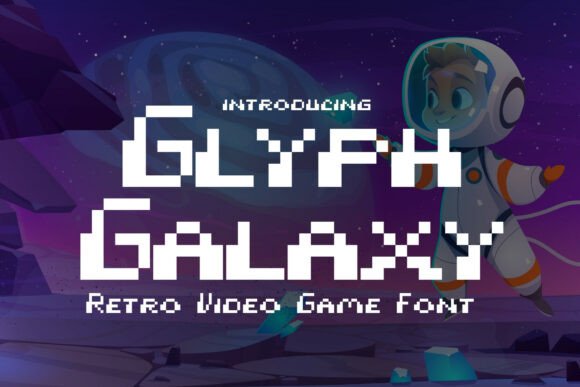
In an era dominated by ultra-high-definition displays and fluid vector graphics, there is a distinct and growing counter-movement toward the deliberate constraints of 8-bit aesthetics. Glyph Galaxy stands at the intersection of this trend, offering a retro-inspired pixel font that captures the specific magic of classic video games while adhering to modern typographic standards. Unlike generic pixelated typefaces that often sacrifice legibility for style, Glyph Galaxy is engineered with crisp square forms and authentic pixel precision. It serves as a bridge between the nostalgia of vintage arcade screens and the functional demands of contemporary creative projects, proving that low-resolution aesthetics can coexist with professional design clarity.
The Evolution of Pixel Typography Beyond Nostalgia
For decades, pixel fonts were largely viewed as novelty items or strictly utilitarian assets for indie game developers working within hardware limitations. However, the cultural perception of 8-bit typography has shifted significantly. Today, the aesthetic is no longer just about mimicking old technology; it is a deliberate stylistic choice that communicates playfulness, authenticity, and digital heritage. Glyph Galaxy reflects this evolution by treating the pixel grid not as a limitation, but as a structured design system. Every character is built on a consistent grid, ensuring that the font maintains a clean silhouette even when scaled across different media.
This shift is driven by a generation of designers and consumers who grew up with these visuals and now associate them with comfort and creativity rather than obsolescence. As digital interfaces become increasingly sterile and uniform, the tactile, blocky nature of a font like Glyph Galaxy provides necessary visual texture. It signals to the audience that a brand or project values individuality and understands the language of digital culture. This is why we see such typefaces moving beyond game titles and into mainstream branding, social media campaigns, and editorial layouts where standing out in a crowded feed is paramount.
Balancing Authenticity with Readability
The primary challenge in using retro fonts professionally is maintaining readability. Many vintage typefaces were designed for cathode-ray tube monitors, which naturally softened jagged edges. On modern LCD and OLED screens, those same jagged edges can appear harsh or illegible at small sizes. Glyph Galaxy addresses this through balanced design proportions. While it retains the iconic low-resolution look that defined an era, the spacing and character weight are optimized for current viewing habits. This makes it suitable for UI interfaces and body text in stylized projects, rather than being relegated solely to large headlines.
Designers must still apply best practices when implementing this typeface. Because pixel fonts rely on absolute alignment, they perform best when rendered at integer scales. Using fractional scaling can introduce anti-aliasing blur that destroys the crispness Glyph Galaxy is known for. Understanding these technical nuances is what separates a professional retro design from an amateur attempt. The font provides the aesthetic foundation, but the designer’s workflow ensures the execution remains sharp and accessible to all users.
Practical Applications Across Creative Industries
The versatility of Glyph Galaxy extends far beyond video game development. Its bold, fun, and unmistakably retro character set makes it a powerful tool for various sectors looking to inject personality into their visual identity. Marketers and content creators are increasingly leveraging this aesthetic to capture attention in saturated digital environments.
- Video Game Design and UI: For indie developers, Glyph Galaxy offers a cohesive typographic voice that matches pixel art assets without requiring custom lettering. It works exceptionally well for in-game menus, dialogue boxes, and HUD elements where clarity is non-negotiable.
- Social Media and Content Creation: YouTube thumbnails and Instagram graphics require instant recognition. The high contrast and geometric simplicity of Glyph Galaxy ensure text remains readable even on mobile devices, helping creators maintain brand consistency across platforms.
- Retro Branding and Merchandise: Businesses targeting millennials and Gen Z often use 8-bit typography to evoke positive associations with childhood gaming. From apparel design to packaging, the font delivers instant throwback vibes that feel curated rather than accidental.
- Event Posters and Signage: For gaming conventions, hackathons, or tech-focused events, this typeface reinforces the thematic atmosphere while providing clear information hierarchy.
Integrating Retro Fonts into Modern Workflows
Adopting a specialized typeface like Glyph Galaxy requires adjustments to standard design workflows. Professional designers should treat it as a display or accent font rather than a universal replacement for sans-serif body copy. Pairing is essential; combining Glyph Galaxy with a clean, modern sans-serif creates a dynamic contrast that enhances both the retro charm and the overall readability of the layout. This juxtaposition acknowledges the past while remaining firmly rooted in present-day usability standards.
Furthermore, accessibility should remain a priority. While the nostalgic aesthetic is appealing, designers must ensure sufficient color contrast and avoid using pixel fonts for critical legal text or long-form reading. Glyph Galaxy’s structured design aids in this regard, as its consistent stroke width allows for better contrast ratios compared to more erratic hand-drawn pixel styles. By respecting these boundaries, creatives can utilize the font’s playful edge without alienating users who rely on assistive technologies or simply prefer clearer typography.
The Strategic Value of Digital Nostalgia
The decision to use Glyph Galaxy is rarely purely decorative; it is often strategic. In marketing and user experience design, emotional resonance drives engagement. The "retro" signal triggers specific cognitive associations related to simplicity, mastery, and entertainment. When a fintech app uses pixel typography for its rewards program, or an educational platform uses it for gamified learning modules, they are borrowing the motivational psychology of classic gaming. Glyph Galaxy facilitates this transfer of emotion through its authentic construction.
However, authenticity matters. Audiences are adept at distinguishing between genuine appreciation of the medium and superficial imitation. Because Glyph Galaxy is built on a true pixel grid rather than merely applying a filter to a vector font, it resonates more deeply with enthusiasts and casual observers alike. This attention to detail builds trust. It suggests that the creator has invested time in understanding the source material, which translates to a perception of higher quality and care in the broader product or service.
Future-Proofing Retro Aesthetics
As screen resolutions continue to increase, the role of pixel art and typography paradoxically becomes more significant. High-DPI displays allow for pixel-perfect rendering at larger physical sizes, turning what was once a technical constraint into a high-fidelity art form. Glyph Galaxy is positioned to benefit from this trajectory. Its crisp square forms scale beautifully on 4K monitors and retina displays when handled correctly, appearing as intentional graphic elements rather than low-quality artifacts.
Creators should view this typeface as part of a broader toolkit for digital expression. Trends cycle, but the fundamental appeal of structured, grid-based design endures because it mirrors the underlying logic of computing itself. Whether you are building a retro game, designing pixel art visuals, or creating nostalgic branding, Glyph Galaxy provides a reliable, professional-grade asset. It allows designers to tap into the collective memory of the digital age while producing work that meets the rigorous standards of modern commercial and artistic practice. By choosing a typeface that honors both history and utility, creatives ensure their work remains relevant, readable, and resonant.
Ultimately, the enduring popularity of fonts like Glyph Galaxy speaks to a desire for tangible connection in an increasingly abstract digital landscape. The visible grid, the hard edges, and the limited palette offer a sense of order and craftsmanship that smooth vectors sometimes lack. For professionals and hobbyists alike, mastering this aesthetic is not about living in the past; it is about expanding the vocabulary of modern design to include the rich, textured history of interactive media. When used with intention and technical respect, Glyph Galaxy transforms simple text into a gateway for pixel-perfect creativity that honors where we came from while designing for where we are going.