Capturing Authentic Coastal Vibes: Why Beach Doodle Is Reshaping Summer Design Trends
In the evolving landscape of digital and print design, the pursuit of authenticity has become a defining characteristic of successful branding. As audiences grow increasingly sophisticated, they can instantly distinguish between sterile, mass-produced aesthetics and visuals that carry a sense of human touch and organic origin. This shift is particularly pronounced in seasonal marketing and lifestyle branding, where the goal is to evoke emotion rather than simply convey information. Enter Beach Doodle, a unique hand-drawn display font that has captured the attention of creators, marketers, and entrepreneurs by perfectly encapsulating the raw, unpolished energy of coastal living.
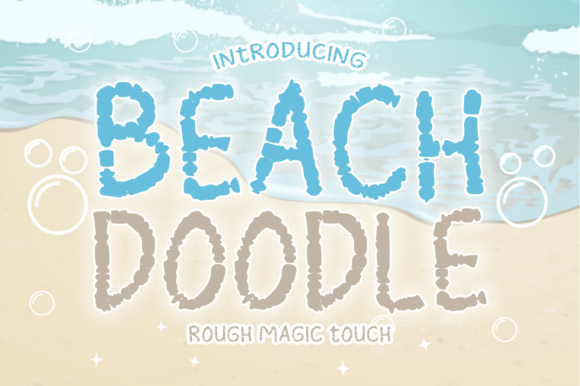
🌊 Capture the coastal vibe with Beach Doodle 🌊. This typeface is not merely a collection of letterforms; it is a textural experience. Featuring a distinctive rough magic touch texture, Beach Doodle is designed to mimic the appearance of an organic sketch. Its distressed, sketchy outlines provide a tactile quality that stands in stark contrast to the clean lines of modern sans-serifs. For professionals seeking to inject a handcrafted feel into their creative projects, this font offers a bridge between digital convenience and analog warmth, making it an essential tool for contemporary summer campaigns.
The Shift Toward Organic Imperfection in Typography
To understand why Beach Doodle resonates so strongly with today’s market, one must look at broader industry trends. For over a decade, the design world was dominated by minimalism and flat design. While these styles offered clarity and scalability, they eventually led to a homogenization of brand identities. Consumers began to crave personality, nostalgia, and evidence of human craftsmanship. This has given rise to the "neo-analog" movement in graphic design, where digital tools are used to replicate the imperfections of traditional media.
Beach Doodle sits at the intersection of this trend and the enduring appeal of coastal aesthetics. It answers a specific changing need in consumer preferences: the desire for brands that feel approachable and lived-in. When a tropical resort or a summer apparel line uses a polished, corporate font, it creates psychological distance. Conversely, the rough, sketched texture of Beach Doodle signals relaxation, informality, and authenticity. It aligns visual communication with the actual sensory experience of the beach—gritty sand, weathered wood, and sun-bleached signage. This alignment is crucial for marketers aiming to build trust and emotional connection through typography.
Balancing Rustic Charm with Professional Legibility
A common pitfall in using textured or hand-drawn fonts is the sacrifice of readability for style. Many novelty fonts fail in professional contexts because they become illegible at smaller sizes or when used in longer phrases. Beach Doodle distinguishes itself by maintaining excellent legibility despite its bold and textured appearance. This balance makes it viable for commercial applications beyond mere decoration.
For freelancers and agency designers, this versatility streamlines workflows. Instead of pairing a decorative header font with a completely unrelated body font, Beach Doodle allows for a cohesive visual language that remains functional. It retains the informal, rustic look required for summer themes while ensuring that critical information—such as event dates, product names, or calls to action—is communicated clearly. This practical utility transforms it from a seasonal gimmick into a reliable asset in a designer’s typographic toolkit.
Strategic Applications Across Industries
The relevance of Beach Doodle extends across multiple sectors, driven by its ability to adapt to various mediums while retaining its core identity. Its application goes far beyond simple headlines; it serves as a visual anchor for entire brand ecosystems centered around leisure, travel, and artisanal goods.
- Coastal Branding and Hospitality: For boutique hotels, surf shops, and seaside cafes, typography sets the tone before a customer even steps through the door. Beach Doodle mimics the aesthetic of hand-painted wayfinding signs and vintage postcards, reinforcing a brand's commitment to local culture and relaxed atmospheres.
- Event Marketing and Invitations: Summer party invitations and flyers benefit immensely from the font’s energetic texture. In a crowded digital inbox or social feed, the sketchy outlines create a pattern interrupt, signaling fun and exclusivity more effectively than standard script fonts.
- Merchandise and Apparel: Custom T-shirts and tank tops require graphics that feel native to the fabric. The distressed nature of Beach Doodle integrates seamlessly with textile printing, making designs appear worn-in and comfortable rather than stiff and new. This is particularly valuable for brands selling premium vintage-style apparel.
- Content Creation and Social Media: Travel vloggers and influencers utilize the font for thumbnails, overlays, and quotes. Its high contrast and unique texture ensure readability against complex photographic backgrounds like ocean waves or jungle foliage, enhancing engagement metrics.
- Home Decor and Signage: Wooden signage and scrapbooking projects rely on texture to convey value. Beach Doodle translates beautifully to laser engraving and vinyl cutting, providing a digital file that produces authentic-looking physical results.
Meeting the Demands of the Creator Economy
The rise of the creator economy has democratized design, but it has also raised the bar for visual quality. Entrepreneurs and small business owners often manage their own branding and need assets that deliver professional results without requiring advanced illustration skills. Beach Doodle addresses this gap by providing instant access to a custom, hand-drawn aesthetic.
This efficiency is vital in fast-paced markets like summer retail, where trends emerge and fade quickly. Creators can rapidly prototype stickers, labels, and social media assets that look bespoke and expensive. The font acts as a shortcut to authenticity, allowing smaller players to compete visually with larger corporations that have dedicated art departments. Furthermore, as video content continues to dominate, the font’s bold weight ensures it remains visible and impactful in motion graphics and short-form video captions, adapting to the technological shifts in how content is consumed.
The Psychology of Texture in Consumer Engagement
Why do people pay attention to distressed textures? From a psychological perspective, texture implies history and tangibility. In an increasingly screen-based existence, visual elements that suggest physical sensation trigger a stronger cognitive response. The "rough magic touch" of Beach Doodle leverages this haptic visuality. When a consumer sees the sketchy outlines, their brain associates the text with memories of drawing in sand, reading old maps, or seeing paint peel on a pier.
This associative power is what makes the font a summer essential. It bypasses logical processing and appeals directly to nostalgia and sensory memory. For marketers, this means higher retention and stronger brand affinity. The font does not just say "summer"; it makes the viewer feel the season. This emotional resonance is the key differentiator in saturated markets where functional benefits are often identical across competitors. By choosing a typeface that carries such distinct atmospheric weight, brands can carve out a unique niche based on feeling and vibe.
Future-Proofing Seasonal Design Assets
While Beach Doodle is undeniably tied to summer and coastal themes, its underlying characteristics make it relevant for broader applications involving sustainability, eco-tourism, and artisanal craftsmanship. As consumers continue to prioritize environmental consciousness and ethical consumption, the demand for visuals that reflect natural, unprocessed states will persist.
The font’s organic sketch style aligns with values of transparency and earthiness. It avoids the synthetic sheen associated with fast fashion and mass production. Therefore, investing in Beach Doodle is not just a seasonal decision; it is a strategic alignment with long-term consumer values favoring the authentic over the artificial. Whether used for a July beach party flyer or an October eco-retreat brochure, the font communicates a respect for the organic and the handmade.
Integrating Beach Doodle into Modern Workflows
For professionals looking to incorporate this typeface effectively, context is paramount. Because Beach Doodle possesses such strong character, it works best when allowed to breathe. Designers should avoid overcrowding layouts and instead use negative space to let the textured details stand out. Pairing it with simple, clean sans-serif body copy creates a dynamic hierarchy that guides the eye without causing visual fatigue.
Additionally, consider the medium of delivery. On high-resolution screens and printed materials, the intricate distressing shines. However, for very small digital applications, testing is recommended to ensure the texture does not muddy the letterforms. Understanding these technical nuances ensures that the font enhances rather than hinders user experience. Ultimately, Beach Doodle represents a convergence of artistic expression and strategic communication. It empowers creators to capture the elusive essence of coastal life, translating fleeting summer moments into enduring brand assets that resonate deeply with modern audiences.
As the design industry continues to navigate the tension between digital precision and human imperfection, tools like Beach Doodle serve as vital reminders that the most effective communication often feels the most personal. By embracing the rough, the sketched, and the authentic, professionals can create work that not only captures attention but also sustains connection in an ever-changing visual landscape.