Cormorant Font: Bamboo-Inspired Display Typography
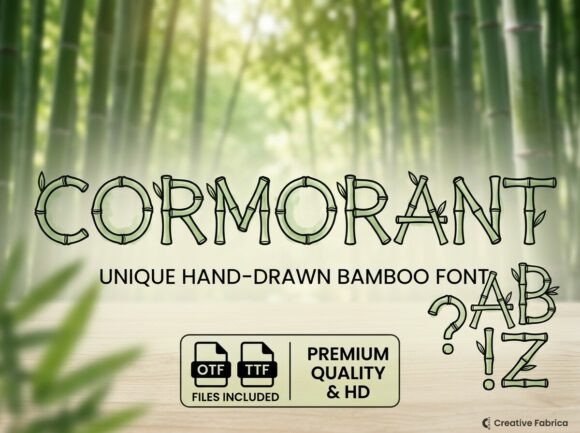
Typography does more than convey words; it sets the emotional temperature of a design before a single sentence is read. When your project demands a connection to nature, specifically the quiet strength and organic rhythm of East Asian aesthetics, standard serif or sans-serif options often fall flat. This is where Cormorant distinguishes itself. Far from being a generic decorative typeface, Cormorant is a premium display font that translates the physical structure of bamboo into digital letterforms. Each character is built from segmented stalks complete with realistic joints and delicate leaf accents, offering designers a tool that embodies Zen-like harmony and sustainable elegance.
For creatives, marketers, and business owners targeting audiences who value wellness, ecology, or cultural authenticity, typography is a primary vehicle for brand storytelling. Cormorant provides an immediate visual shorthand for these values. It moves beyond cliché "bamboo fonts" by focusing on structural integrity and craftsmanship rather than cartoonish imitation. The result is a typeface that feels grown rather than drawn, making it an exceptional choice for projects where the medium must reflect the message of natural balance.
Anatomy of Organic Craftsmanship
Understanding why Cormorant works requires looking at its construction. Most thematic fonts sacrifice readability for novelty, but this typeface maintains clean lines despite its ornamental details. The segmented stalk design creates a natural vertical rhythm that guides the eye, while the structural nodes—the joints of the bamboo—act as visual anchors that ground each letterform. These are not merely decorative add-ons; they provide the necessary weight distribution to keep the font legible at various display sizes.
The inclusion of delicate leaf accents is handled with restraint. Rather than overwhelming the alphabet, these botanical elements appear strategically to soften transitions and add movement without cluttering the negative space. This careful balance between rigid stalk segments and fluid foliage mimics the actual behavior of bamboo in nature: strong yet flexible, structured yet alive. For designers, this means Cormorant can serve as a headline or logo mark that feels dynamic and breathable, avoiding the static heaviness that plagues many nature-inspired display fonts.
Strategic Applications in Branding and Print
The versatility of Cormorant extends across multiple industries where trust, tranquility, and sustainability are paramount. In the wellness sector, spa logos and treatment menus benefit immensely from this aesthetic. Clients seeking massage therapy, acupuncture, or meditation services are already in a mindset of seeking balance; encountering a brand identity that visually reinforces this state reduces cognitive friction and enhances the perceived value of the service. A menu set in Cormorant suggests that the same attention to detail applied to the typography is also applied to the ingredients and techniques used in treatments.
Sustainable product packaging represents another high-value application. Eco-friendly brands face the challenge of communicating "green" credentials without resorting to tired recycled paper textures or generic leaf icons. Using Cormorant on tea boxes, organic skincare labels, or artisanal food packaging signals a sophisticated approach to sustainability. It tells the consumer that the brand understands the cultural roots of natural living rather than just adopting it as a marketing trend. The font’s inherent association with bamboo—a rapidly renewable resource—creates a subconscious alignment between the visual identity and the product’s environmental benefits.
- Botanical Garden Signage: Wayfinding and educational plaques that harmonize with outdoor environments without competing against natural foliage.
- Tea House Menus: Creating an immersive cultural experience that respects traditional aesthetics while maintaining modern legibility.
- Eco-Tourism Marketing: Brochures and digital ads for tropical destinations that evoke lush landscapes through typographic texture.
- Artisanal Ceramics: Studio pottery stamps and gallery exhibition titles that bridge the gap between craft tradition and contemporary design.
Digital Implementation and User Experience
While primarily a display font, Cormorant has specific considerations for digital environments. Its intricate joint details and leaf accents require adequate pixel density to render correctly. On high-resolution screens and print media, the font shines with crisp definition. However, when implementing Cormorant in web design or app interfaces, it should be reserved for headings, hero sections, and accent text. Body copy requires simpler forms to ensure accessibility and reading speed; pairing Cormorant with a clean, neutral sans-serif like Inter or Open Sans creates a hierarchy that lets the display font perform its atmospheric role without exhausting the user.
From an engagement perspective, unique typography increases dwell time. Users accustomed to standardized web fonts pause momentarily to process distinctive letterforms, creating a micro-interaction that deepens memory encoding. For educational platforms teaching East Asian culture, botany, or sustainable design, using Cormorant in course headers and module titles reinforces the subject matter visually. This multisensory approach aids retention and makes learning materials feel more curated and less utilitarian.
Practical Considerations for Designers
Selecting Cormorant involves evaluating whether its specific flavor of naturalism aligns with your project’s tone. It excels in contexts requiring serenity, tradition, or ecological awareness but may feel out of place in tech-forward, corporate, or minimalist brutalist designs. Before licensing, test the font in your intended size range. The beauty lies in the details of the joints and leaves, which can disappear if scaled too small or become overpowering if scaled too large without adequate spacing.
Kerning and tracking deserve special attention with this typeface. Because the characters are constructed from organic segments, default spacing may not account for the visual weight of protruding leaves or recessed joints. Manual optical adjustments are often necessary to achieve even color across a headline. Treat each word as a composition rather than relying solely on automated metrics. Additionally, consider color carefully. While black or dark grey offers maximum contrast, earthy tones like moss green, warm terracotta, or deep indigo can amplify the naturalistic qualities without sacrificing readability. Avoid gradients or heavy effects that obscure the fine structural details that define Cormorant’s character.
Ultimately, Cormorant serves as more than decoration; it functions as a strategic communication tool. By choosing a typeface that embodies the resilience and grace of bamboo, designers infuse their work with meaning that transcends language. Whether you are branding a luxury retreat, designing packaging for organic goods, or creating educational content about sustainable living, Cormorant offers a refined visual vocabulary that speaks directly to those who find beauty in nature’s intelligent design. Use it thoughtfully, and it will bring an authentic sense of place and purpose to your creative endeavors.