Rylee Font: Modern Geometric Display Typography
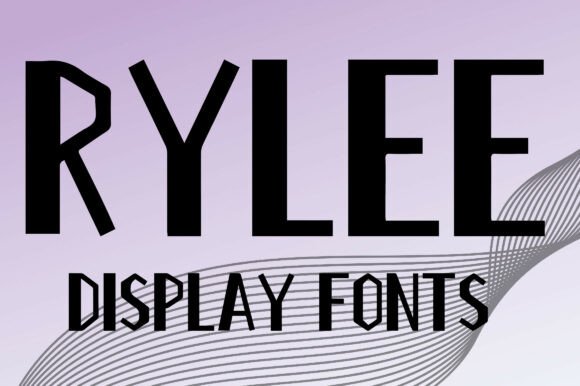
Typography sets the tone before a single word is read. When a project demands immediate visual impact without sacrificing structural integrity, Rylee emerges as a definitive solution. This bold display font bridges the gap between artistic expression and functional communication. Defined by its modern geometric style and strong graphic character, Rylee offers designers a tool that feels both meticulously engineered and creatively liberated. Its tall uppercase letterforms, sharp angles, and clean structured lines create a sleek aesthetic that commands attention while maintaining professional clarity.
Unlike decorative scripts or overly ornate serifs, Rylee relies on confidence rather than embellishment. The typeface is designed specifically for high-impact environments where legibility and style must coexist. With a comprehensive set of uppercase letters A–Z and numbers 0–9, it provides the essential building blocks for logos, branding systems, posters, packaging, headlines, and social media graphics. For creators seeking a stylish and memorable statement, understanding how to leverage Rylee’s specific attributes can elevate a design from standard to standout.
The Anatomy of Confidence in Design
To use Rylee effectively, one must understand what makes it visually distinct. The typeface is rooted in geometric precision, yet it avoids the coldness often associated with purely mathematical fonts. The sharp angles provide a sense of forward momentum, making it ideal for brands that want to convey innovation, speed, or decisiveness. The tall aspect ratio of the uppercase characters allows for tighter horizontal spacing without compromising readability, which is particularly valuable in space-constrained layouts like mobile banners or product labels.
This structural rigidity serves a practical purpose. In an era of digital noise, clean lines act as visual anchors. When viewers scroll through social feeds or scan retail shelves, their eyes are drawn to order amidst chaos. Rylee provides that order. It does not compete with photography or complex illustrations; instead, it frames them. The font’s bold weight ensures it holds its own against busy backgrounds, while its structured lines prevent it from feeling heavy or oppressive. This balance is what makes it a versatile asset for contemporary design challenges.
Strategic Applications for Branding and Identity
For entrepreneurs and small business owners, typography is often the first tangible element of brand identity. Rylee excels in logo design because its geometric nature scales exceptionally well. A logo set in Rylee remains recognizable whether it appears as a favicon on a browser tab or as signage on a storefront. The lack of lowercase letters is a deliberate stylistic choice that reinforces authority and uniformity. When developing a brand system, consider pairing Rylee with a highly readable sans-serif for body copy. This contrast establishes a clear visual hierarchy: Rylee captures attention, while the supporting typeface delivers detailed information.
Packaging design presents another prime opportunity for this typeface. On physical products, shelf appeal is paramount. Rylee’s bold strokes ensure that product names remain legible from a distance, even when printed on textured materials or metallic foils. For minimalist packaging trends, the font acts as the primary graphical element, eliminating the need for excessive iconography. The sharp angles can also be mirrored in packaging die-cuts or label shapes to create a cohesive unboxing experience that feels intentional and premium.
Navigating Digital Spaces and Social Media
Digital designers face unique constraints regarding screen resolution and aspect ratios. Rylee’s tall proportions make it uniquely suited for vertical formats like Instagram Stories, TikTok overlays, and Pinterest pins. In these contexts, horizontal space is limited, but vertical space is abundant. Utilizing the full height of the frame with stacked Rylee headlines creates a dynamic composition that encourages users to stop scrolling. The font’s clean edges render crisply on high-density displays, avoiding the pixelation or blurring that can plague thinner or more intricate display fonts.
When creating social media templates for clients or personal projects, consistency builds recognition. Rylee works best when treated as a recurring motif. Establish a standard treatment—such as tight tracking, specific colorways, or consistent placement relative to imagery—and apply it across campaigns. This repetition trains the audience to associate the typographic style with your content. Because the font is bold and graphic, it also performs well in video thumbnails and motion graphics, where text must be deciphered in a fraction of a second.
Editorial Layouts and Poster Design
For publishers, bloggers, and event organizers, Rylee transforms standard editorial layouts into graphic experiences. In poster design, scale is everything. Do not be afraid to push the typeface to massive sizes, allowing letters to bleed off the edge of the canvas. This technique emphasizes the geometric beauty of individual glyphs and turns the text itself into an abstract image. For magazine covers or blog headers, use Rylee to create tension between the headline and negative space. The font’s confident presence allows for generous whitespace, resulting in layouts that feel sophisticated and uncluttered.
However, restraint is necessary. Because Rylee is so visually dominant, using it for subheads or captions can overwhelm the layout. Reserve it strictly for primary focal points. If you need to emphasize a secondary element, try using Rylee in a lighter opacity or a muted color rather than switching to a different bold font. Maintaining typographic consistency preserves the integrity of the design system. Remember that the goal is communication; the font should enhance the message, not obscure it behind excessive stylistic flair.
Practical Guidelines for Effective Implementation
Maximizing the potential of Rylee requires adherence to a few practical principles. First, respect the all-uppercase nature of the design. Attempting to simulate lowercase letters or mixing it with other all-caps display fonts can lead to visual dissonance. Let Rylee stand alone as the primary voice. Second, pay close attention to spacing. Geometric fonts often benefit from adjusted tracking. Tighter spacing can create a solid, block-like texture suitable for logos, while wider spacing can evoke luxury and elegance in fashion or lifestyle contexts. Test multiple spacing options before finalizing a layout.
Color selection also plays a critical role. High-contrast combinations, such as white on black or neon on dark grey, amplify the font’s modern edge. Conversely, tonal pairings, like cream on beige, soften the sharpness and lend a more organic, approachable feel. Consider the emotional resonance of your project when choosing palettes. Finally, always test your designs at actual size. What looks balanced on a 27-inch monitor may appear cramped on a smartphone screen or illegible on a business card. Real-world testing ensures that the bold promise of Rylee translates effectively across every touchpoint.
Ultimately, Rylee is more than just a collection of vector shapes; it is a strategic instrument for visual communication. By understanding its geometric foundations and respecting its bold character, designers can harness its power to create work that is not only aesthetically pleasing but also functionally superior. Whether defining a new startup’s identity, refreshing a seasonal campaign, or crafting a personal portfolio, this typeface offers the reliability and style needed to make a lasting impression in a crowded visual landscape.