Evaluating Goldmode: A Practical Guide to Modern Display Typography
Selecting the right typeface for a luxury or editorial project often involves balancing aesthetic impact with functional clarity. Goldmode enters this space as a modern display font designed specifically for high-impact visual communication. Unlike traditional serifs that rely on historical references or geometric sans-serifs that prioritize neutrality, Goldmode occupies a distinct niche. It offers refined shapes and stylish character intended to create a bold statement without sacrificing the sophistication required for premium branding. For designers and brand managers evaluating typography options, understanding where this typeface fits within the broader ecosystem of display fonts is essential for making an informed decision.
Defining the Goldmode Aesthetic and Utility
Goldmode is categorized as a display typeface, meaning it is engineered primarily for large-scale usage rather than extended body text. Its design language combines contemporary aesthetics with a sense of exclusivity. The letterforms are constructed to bring creativity to layouts while maintaining enough structural integrity to remain readable in headlines and logos. This balance is the font's primary value proposition. In an era where many display fonts sacrifice legibility for artistic expression, Goldmode attempts to retain usability.
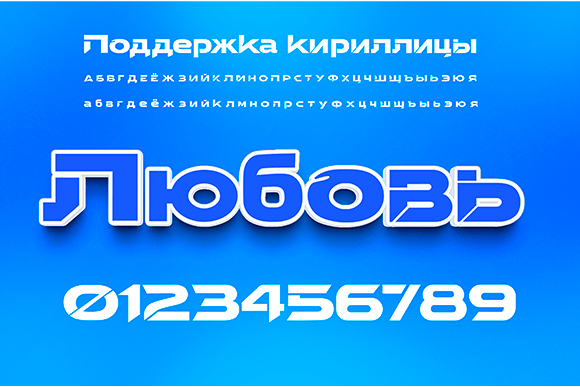
The typeface includes a comprehensive set of uppercase and lowercase characters, numbers, and punctuation. This completeness is a critical factor for professional use. Many decorative fonts lack full character sets, rendering them unsuitable for practical applications like pricing, dates, or secondary headlines. Goldmode’s inclusion of these elements allows it to function as a standalone solution for hero sections, packaging, and social media graphics, reducing the need to pair multiple decorative fonts that might clash visually.
Comparing Goldmode to Traditional Luxury Serifs
When designing for luxury markets, fashion, or high-end hospitality, the default choice has historically been the high-contrast serif (often referred to as Didone style). These fonts convey heritage and established prestige. However, they can sometimes feel dated or overly formal for brands targeting a younger, more dynamic demographic.
Goldmode offers a contemporary alternative to this tradition. While it shares the elegance associated with luxury typography, its modern construction signals innovation rather than history. If your brand narrative focuses on legacy and timelessness, a classic serif may still be the superior choice. However, if the goal is to communicate modern sophistication, forward-thinking design, or accessible luxury, Goldmode provides a fresher visual tone. It avoids the heavy baggage of historical association, allowing new brands to establish their own identity without mimicking established fashion houses.
Tradeoffs Against Geometric Sans-Serifs
On the other end of the spectrum are geometric sans-serifs, which dominate tech and minimalist branding. These fonts excel at neutrality and scalability but often lack personality and emotional resonance. They are safe choices, but they rarely evoke the feeling of exclusivity or artistry.
Goldmode distinguishes itself here through its unique letterforms. It possesses a distinct voice that neutral sans-serifs cannot provide. The tradeoff, however, is versatility. A geometric sans-serif can typically handle everything from a 10px UI label to a billboard. Goldmode is specialized; it shines at large sizes but loses effectiveness when scaled down. Designers choosing Goldmode must accept that it is a specialist tool, not a generalist workhorse. It requires a supporting cast of highly legible body fonts to complete a typographic system.
Best-Fit Scenarios and Application
Understanding the specific environments where Goldmode performs best helps prevent misuse. Based on its design characteristics, this typeface excels in contexts where the viewer’s attention needs to be captured immediately and where the mood is paramount.
- Fashion and Apparel Branding: The stylish nature of the letterforms aligns well with clothing tags, lookbooks, and seasonal campaign headers. It suggests trend-awareness without being disposable.
- Editorial Layouts: For magazine covers, feature article titles, and pull quotes, Goldmode provides the necessary weight to guide readers through content hierarchies while adding an artistic layer to the page.
- Luxury Packaging: On cosmetic boxes, perfume bottles, or premium food labeling, the font’s refined shapes communicate quality. The contrast between the typeface and negative space creates a perception of value.
- Social Media Graphics: In digital feeds where users scroll quickly, standard fonts can blend into the background. Goldmode’s bold visual statement stops the scroll, making it effective for Instagram stories, Pinterest pins, and YouTube thumbnails.
- Event Signage and Posters: Whether for a gallery opening, a product launch, or a gala, the font scales up beautifully, maintaining crisp edges and proportional balance at large physical sizes.
Limitations and Decision Factors
No typeface is universally appropriate. Recognizing the limitations of Goldmode is just as important as appreciating its strengths. Evaluating these constraints ensures the font serves the project rather than hindering it.
Readability at Small Sizes
As a display font, Goldmode is optimized for size. When reduced below certain thresholds—typically under 18pt for print or 24px for web—the intricate details and stylistic flourishes can become muddy. Fine lines may disappear, and counters (the enclosed spaces in letters) may fill in. If your project requires a single typeface family to handle both headlines and dense informational text, Goldmode is likely insufficient. It should be paired with a robust sans-serif or serif for body copy to ensure accessibility and reading comfort.
Tonal Specificity
Goldmode carries a strong personality. This is an asset for branding but a liability for utilitarian design. It is generally ill-suited for corporate annual reports, medical documentation, government forms, or technical manuals. In these contexts, the "stylish and modern" attributes can be perceived as unprofessional or distracting. Before selecting this font, assess whether the project demands neutrality or expression. If clarity of data is the primary objective, a more restrained typeface is preferable.
Digital Rendering Considerations
While suitable for digital use, display fonts with unique shapes require careful testing across devices. Screen resolution and rendering engines vary significantly between operating systems. What looks crisp on a high-DPI desktop monitor may appear aliased or uneven on a lower-resolution mobile device. Always test Goldmode in the actual deployment environment. You may need to adjust tracking (letter-spacing) or weight specifically for screen use to maintain the intended elegance.
Making the Final Selection
Choosing Goldmode ultimately comes down to alignment between the font’s character and the project’s strategic goals. It is a strong contender when the brief calls for a blend of modernity and luxury, offering a middle ground between the rigidity of minimalism and the nostalgia of traditional serifs.
If you are comparing options, create a shortlist and test them in context. Do not judge the font solely on a specimen sheet. Set actual headlines, logos, and captions relevant to your project. Observe how Goldmode interacts with your color palette, imagery, and supporting typography. Does it elevate the design, or does it compete with other elements?
For professionals seeking a typeface that adds a premium and artistic touch without abandoning contemporary relevance, Goldmode presents a viable solution. It supports creative exploration in branding and editorial work while providing the necessary character set for real-world application. However, success depends on respecting its role as a display specialist. By leveraging its strengths in high-visibility areas and pairing it responsibly with functional body text, designers can harness its potential to create distinctive, memorable visual identities.
The decision should also factor in long-term brand evolution. Trends in display typography shift faster than in text typography. Goldmode’s "modern and elegant" positioning is currently aligned with contemporary tastes, but consider whether the brand will need to pivot in three to five years. Because the font balances style with readability, it has better longevity than extremely experimental typefaces, but it is still more susceptible to trend cycles than foundational classics. Use it confidently for campaigns, rebrands, and projects where current relevance is key, but maintain a flexible typographic system that can adapt as aesthetic preferences evolve.