Morvane: Bridging 70s Glamour and Modern Luxury in Display Typography
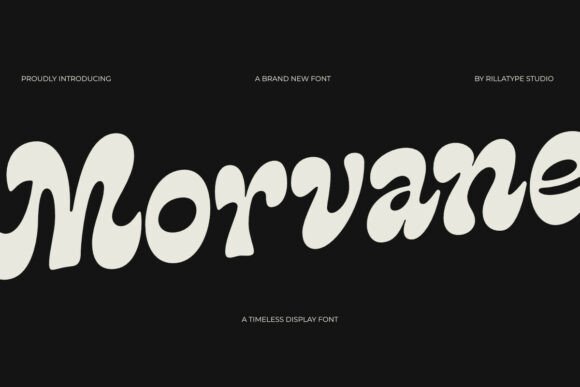
In the ever-evolving landscape of graphic design, the search for a typeface that feels both nostalgically authentic and strikingly contemporary is a constant pursuit. Enter Morvane, a display font that has rapidly become a favorite among designers seeking to inject soul into their visual projects. This isn't merely a revival of past trends; it is a sophisticated reinterpretation of retro aesthetics tailored for today’s high-end market. With its massive, high-contrast letterforms and rhythmic, flowing curves, Morvane captures a groovy-and-glamorous spirit that bridges the gap between vintage vinyl covers and modern luxury editorial.
Choosing the right display typeface is often the most critical decision in a branding project. It sets the emotional tone before a single word is read. Morvane distinguishes itself through a unique liquid structure that feels heavy yet smooth, authoritative yet playful. For independent fashion labels, boutique hospitality brands, and lifestyle publications, this font offers a distinct voice that cuts through the noise of minimalist sans-serifs and overused serifs. Understanding the specific characteristics and practical applications of Morvane can help designers leverage its full potential to create memorable, high-impact identities.
The Anatomy of Retro Sophistication
To truly utilize Morvane effectively, one must understand what makes its anatomy so distinctive. The typeface is defined by extreme contrast between thick and thin strokes, a hallmark of 1970s display typography. However, where many retro revivals feel stiff or caricatured, Morvane introduces a fluidity that softens the geometric rigidity. The curves are not perfect circles; they are rhythmic and organic, mimicking the movement of liquid or the sway of fabric. This "liquid structure" gives the font a dynamic energy even when set statically on a page.
The structural weight of Morvane is another defining feature. It commands attention without feeling aggressive. The heavy downstrokes provide a solid foundation, while the delicate hairlines add an air of elegance and refinement. This balance is crucial for luxury branding, where the goal is to convey exclusivity and quality. The letterforms are tall and narrow, allowing for tight tracking and impactful headline compositions that maximize space without sacrificing legibility at large sizes. When working with Morvane, designers should embrace these proportions rather than fighting them, allowing the natural rhythm of the glyphs to guide the layout.
Applications in Independent Fashion Branding
Fashion branding relies heavily on mood and attitude, making Morvane an exceptional tool for independent designers and emerging labels. In an industry saturated with clean, Swiss-style typography, a brand that adopts Morvane immediately signals a departure from the mundane. It suggests a narrative that is rich, textured, and deeply connected to cultural history. For streetwear brands leaning into Y2K or 70s revivalism, the font provides instant credibility. Conversely, for high-fashion ateliers, the refined curves offer a sense of bespoke craftsmanship reminiscent of classic Vogue mastheads.
Practical application in fashion extends beyond logos. Consider lookbooks, campaign posters, and e-commerce headers. Morvane performs exceptionally well in these contexts because it photographs beautifully alongside textile textures and film grain. When pairing imagery with this typeface, consider using duotones or warm color grading to complement the font’s inherent warmth. The key is to let the typography act as a graphical element in its own right. Overlapping text with model photography, wrapping headlines around silhouettes, or using extreme scale can amplify the groovy-and-glamorous soul of the brand identity.
Elevating Editorial and Hospitality Identities
Beyond fashion, Morvane finds a natural home in high-end lifestyle magazines and boutique hospitality. Editorial design demands versatility, and while Morvane is strictly a display face, its personality is strong enough to carry entire cover lines and section openers. It evokes the golden age of print media, adding a tactile quality to digital articles and physical publications alike. Editors and art directors appreciate its ability to make headlines feel like illustrations, reducing the need for additional decorative elements and keeping layouts clean yet expressive.
In the hospitality sector, particularly for boutique hotels, speakeasies, and artisanal cafes, atmosphere is everything. Signage, menu design, and environmental graphics benefit immensely from Morvane’s vintage charm. A neon sign rendered in this typeface transforms a simple business name into a landmark. On printed menus, the font guides the eye to signature dishes and premium offerings, subtly influencing customer perception of value. The smooth personality of the letterforms ensures that even in dimly lit environments or on textured paper stocks, the text remains inviting and readable. It creates a cohesive sensory experience that aligns the visual identity with the physical space.
Social Media and Digital Headers
Digital platforms present unique challenges for display typography due to varying screen resolutions and aspect ratios. Morvane adapts surprisingly well to social media headers and story templates, provided it is used with intention. Its high contrast requires careful rendering; always test on multiple devices to ensure the thin strokes do not disappear against complex backgrounds. When designing Instagram carousels or YouTube thumbnails, use Morvane for short, punchy keywords rather than long sentences. The font’s impact lies in its silhouette, which remains recognizable even at smaller thumbnail sizes.
For content creators focusing on classic-and-cool aesthetics, Morvane serves as a powerful engagement hook. In a feed dominated by uniform sans-serif captions, a post featuring Morvane stops the scroll. It signals curated content and thoughtful design. Pair it with kinetic typography animations to emphasize the liquid flow of the curves, bringing the static retro inspiration into motion. This fusion of vintage form and digital function is exactly what makes Morvane relevant for modern workflows. It allows brands to maintain a consistent aesthetic across print packaging and digital ads, creating a unified brand presence that resonates with audiences who crave authenticity.
Pairing Strategies and Practical Considerations
Because Morvane possesses such a strong personality, pairing it correctly is essential to avoid visual clutter. The golden rule is contrast. Avoid other high-contrast serifs or decorative scripts that compete for attention. Instead, anchor Morvane with neutral, low-contrast sans-serifs or monospaced fonts. A clean grotesque like Helvetica Now or a technical mono like Space Mono provides a stable backdrop that lets Morvane shine as the protagonist. This juxtaposition reinforces the modern luxury aspect, preventing the design from looking like a costume party or a pure historical reenactment.
- Hierarchy Management: Use Morvane exclusively for H1s and major callouts. Relegate subheads and body copy to supportive typefaces to maintain readability and visual rest.
- Color Selection: While black and white is classic, Morvane excels in rich, saturated tones like burnt orange, olive green, deep burgundy, and cream. These colors enhance the 70s inspiration while feeling fresh.
- Whitespace: Give the letterforms room to breathe. Tight spacing works for logos, but in editorial layouts, generous margins and padding prevent the heavy weight from overwhelming the composition.
- Texture Integration: Consider applying subtle noise or grain overlays to digital uses of Morvane to mimic the analog printing processes that inspired its creation.
Navigating Licensing and Technical Implementation
Before integrating Morvane into a commercial project, understanding licensing and technical specs is vital. As a premium display typeface, ensuring you have the appropriate desktop and webfont licenses protects your client and respects the type designer’s work. Web implementation requires particular care; variable font technology, if available, can be a game-changer for responsive design, allowing the weight and width to adjust fluidly across breakpoints. If using static webfonts, prioritize loading performance by subsetting the character set to only include necessary glyphs.
Designers should also consider accessibility when deploying such a stylized typeface. While display fonts are generally exempt from strict WCAG body-text standards, ensuring sufficient color contrast and avoiding all-caps settings for longer phrases maintains inclusivity. Morvane’s lowercase forms are particularly beautiful and often more legible than forced capitals. By balancing aesthetic ambition with technical best practices, designers can harness the full power of Morvane. It stands as a testament to the idea that retro sophistication is not about looking backward, but about carrying the best qualities of the past forward into new, luxurious contexts.