Funny Cute Bold Font Guide
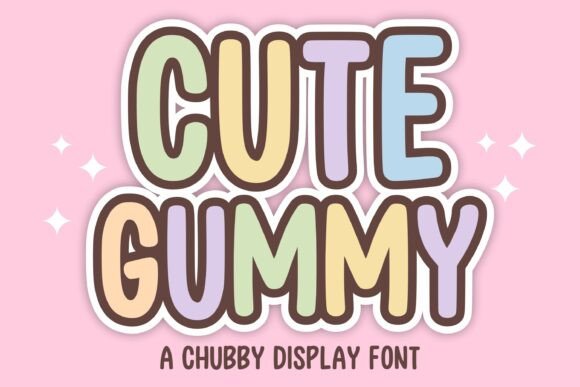
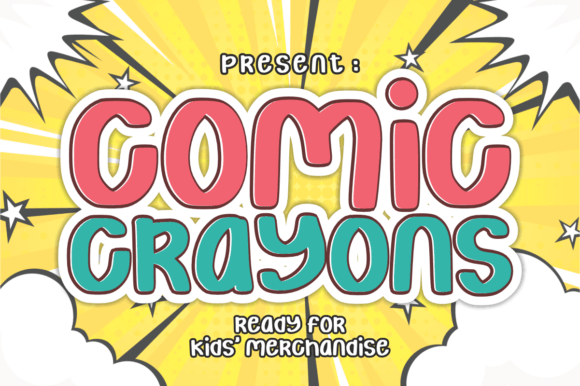
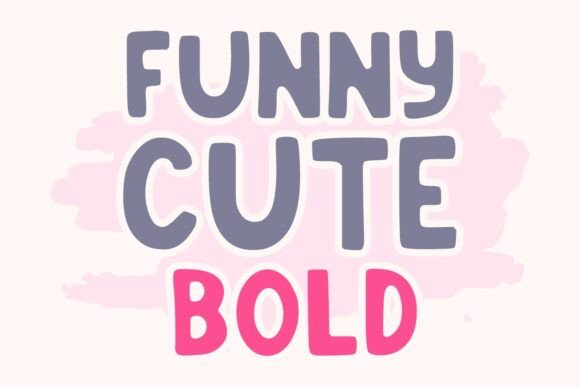
Typography has the unique power to instantly communicate emotion before a single word is read, and few typefaces capture joyful energy quite like Funny Cute Bold. This playful and cheerful display typeface is specifically designed to bring fun and personality to creative projects that require a distinctively friendly voice. Featuring rounded shapes, bold strokes, and an approachable style, it serves as a vital tool for designers looking to soften their visual communication while maintaining strong impact. Whether you are working on kids' designs, vibrant branding, or engaging social media graphics, this font offers a modern cute aesthetic that feels both professional and inviting.
The Role of Playful Typography in Visual Design
In the realm of graphic design and brand identity, typography acts as the primary vehicle for tone. While traditional serif and sans-serif fonts convey stability and neutrality, display typefaces like Funny Cute Bold establish immediate emotional connections. The rounded geometry and substantial weight create a sense of safety and warmth, which is essential when designing for younger audiences or brands that want to appear accessible rather than corporate. This visual softness does not equate to weakness; instead, the bold strokes ensure high legibility and presence across various mediums, from digital screens to printed packaging.
Integrating this typeface into your design workflow requires understanding its psychological impact. Rounder letterforms are often perceived as more trustworthy and gentle, making them ideal for industries focused on care, education, entertainment, and lifestyle. By choosing a font with such distinct character, designers can reinforce brand messaging through form alone, ensuring that the visual hierarchy supports the intended user experience.
Practical Applications Across Creative Projects
Versatility is key when selecting creative assets, and this typeface adapts well to numerous contexts where a modern aesthetic is desired. Its chunky proportions make it particularly effective for headlines and short copy where readability at a glance is paramount. Consider these practical applications:
- Branding and Logo Design: Create memorable wordmarks for children’s products, pet services, or artisanal food brands that benefit from a handcrafted feel.
- Social Media Graphics: Capture attention in crowded feeds with bold, readable text overlays on Instagram stories, TikTok thumbnails, and Pinterest pins.
- Packaging Design: Enhance shelf appeal for snacks, toys, or cosmetics where a friendly, tactile appearance influences purchasing decisions.
- Web and UI Design: Use sparingly for hero banners, call-to-action buttons, or welcome messages to add personality without compromising interface usability.
- Editorial and Print: Liven up magazine covers, event posters, and invitation suites that require a celebratory or whimsical tone.
Best Practices for Implementation
To maintain a polished and professional presentation, it is crucial to balance the inherent playfulness of Funny Cute Bold with solid design principles. Because this is a display font with significant visual weight, it works best when paired with cleaner, more neutral typefaces for body text. A simple geometric sans-serif or a highly readable humanist typeface can provide necessary contrast, preventing the layout from feeling chaotic or overly juvenile. This pairing strategy ensures that your design remains functional and accessible while still benefiting from the header's charismatic appeal.
Color palette selection also plays a significant role in how this typography is perceived. While bright, saturated colors amplify the fun factor, pastel tones can evoke a softer, more nostalgic vibe. Conversely, using this bold font in dark charcoal or navy against a light background can ground the design, making it suitable for more mature audiences who still appreciate a touch of whimsy. Always test scalability to ensure the rounded details remain crisp at smaller sizes, particularly in digital marketing materials and mobile UI environments.
Ultimately, successful visual communication relies on intentional choices that align aesthetics with strategic goals. Quality creative assets like this typeface do more than decorate; they solve communication problems by bridging the gap between brand intent and audience perception. By thoughtfully integrating playful typography into your broader design system, you can create work that is not only visually striking but also deeply resonant and effective in conveying your unique message.