Zode: A Bold Display Font for High-Impact Visual Communication
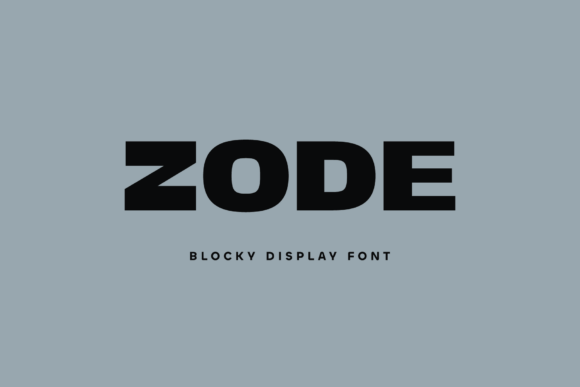
When a design project demands immediate attention, standard sans-serif typefaces often fall short. Zode is a powerful blocky display font built specifically for maximum impact, filling the gap between aggressive aesthetics and functional legibility. Designed with bold geometric letterforms and a heavy-weight structure, this all-caps typeface carries a strong athletic attitude that translates across both digital and physical mediums. Unlike decorative fonts that sacrifice clarity for style, Zode maintains excellent readability through industrial-inspired shapes, offering a modern brutalist feel that works as effectively on a streetwear hoodie as it does in a corporate annual report.
Defining the Industrial Brutalist Aesthetic
The term "brutalist" in graphic design refers to an appreciation of raw materials and structural honesty rather than ornamental decoration. Zode embodies this philosophy through its extended width and uniform stroke weight. The letterforms are not merely thick; they are architecturally sound. This construction gives the font a sense of permanence and stability that lighter weights cannot achieve. For designers working in spaces where visual noise is high, such as social media feeds or crowded retail environments, this solidity acts as an anchor.
However, the industrial nature of Zode does not mean it feels cold or inaccessible. The geometric precision creates a rhythm that guides the eye horizontally, making long headlines easier to scan despite their heaviness. This balance is crucial for creators who need to convey strength without alienating their audience. It is a tool for communication, not just decoration, ensuring that the message remains the primary focus even when the typography itself is commanding.
Elevating Brand Identity and Logo Design
For entrepreneurs and small business owners, establishing a distinct visual identity is often a challenge of differentiation. Zode serves as an instant personality injector for brands operating in competitive sectors like fitness, automotive, tech hardware, or craft beverages. When used in a logotype, the font’s blocky structure suggests reliability and durability. A local gym using Zode for its signage communicates intensity and professionalism before a customer even steps inside. Similarly, a hardware startup can leverage the typeface to signal engineering precision and robust product quality.
In logo applications, the all-caps nature of Zode simplifies the design process. Because the characters share a consistent vertical height and weight distribution, creating balanced wordmarks requires less manual kerning adjustment than with variable-width fonts. This efficiency is valuable for freelancers and agency designers working under tight deadlines. The font allows for quick iteration, enabling creators to test multiple layout variations rapidly while maintaining a cohesive brand voice.
Practical Applications in Apparel and Merchandise
Streetwear and sportswear rely heavily on typography to convey culture and attitude. Zode’s athletic DNA makes it a natural fit for apparel design, where text must be legible from a distance and durable enough for various printing techniques. Screen printing, heat transfer, and embroidery all benefit from the font’s substantial stroke width. Thin lines can get lost in fabric texture or break during production, but Zode’s heavy forms reproduce cleanly across cotton, polyester, and technical blends.
- Team Uniforms: The extended width improves visibility of player names and numbers from stadium seating or broadcast angles.
- Limited Edition Drops: Bold typography creates urgency and exclusivity on packaging and promotional tags.
- Festival Merchandise: High-contrast text ensures designs remain visible in low-light concert environments or crowded outdoor venues.
- Corporate Swag: Moves beyond generic corporate gifts by adding a contemporary, fashion-forward edge to employee apparel.
For merchandise creators, the font’s versatility extends beyond clothing. Tote bags, stickers, and phone cases require graphics that work at small scales. Zode retains its character even when reduced, preventing the "muddy" appearance that plagues many display fonts at smaller point sizes. This scalability reduces the need for separate mobile-optimized or print-optimized versions of a design, streamlining the production workflow.
Digital Graphics and Editorial Layouts
In the digital realm, attention spans are measured in milliseconds. Content creators, bloggers, and marketers use Zode to create thumbnails, social media cards, and web banners that stop the scroll. The font’s high x-height and open counters ensure readability on mobile screens, where pixel density can sometimes degrade intricate type details. When paired with vibrant photography or solid color backgrounds, Zode provides the necessary contrast to make text overlay accessible and engaging.
Editorial designers also find value in Zode for magazine covers, poster headers, and section dividers. Its modern brutalist aesthetic pairs exceptionally well with minimalist photography or chaotic collage styles, acting as a stabilizing element in complex layouts. For educational publishers or textbook designers, the font can be used strategically to highlight key terms, chapter titles, or call-out boxes. The authoritative tone helps organize information hierarchically, signaling to readers that specific content is foundational or critical.
Strategic Considerations Before Implementation
While Zode is versatile, it is not a universal solution. Understanding its limitations is as important as recognizing its strengths. As an all-caps display font, it is unsuitable for body copy or extended reading passages. Using it for paragraphs will fatigue readers and diminish the impact of the headlines. Designers should pair Zode with a neutral sans-serif or a highly legible serif for supporting text to create effective typographic hierarchy.
Spacing is another practical consideration. Extended fonts naturally consume more horizontal space. Before committing to Zode for a specific project, verify that your headline copy fits within the designated canvas without requiring excessive tracking adjustments that could distort the letterforms. In some cases, editing the copy to be more concise may yield better results than forcing long text into a bold display face. This constraint can actually improve communication by encouraging brevity and clarity.
Licensing and Commercial Viability
For commercial users, verifying licensing terms is a non-negotiable step. Whether you are a freelancer delivering work to a client or a business owner creating internal assets, ensure the license covers your intended usage. Some font licenses differentiate between desktop use, web embedding, and app integration. If you plan to use Zode in a video game, streaming overlay, or large-scale advertising campaign, check if an upgraded license is required. Proper licensing protects both the creator and the user from legal complications and supports the type designer’s continued work.
Additionally, consider the technical file formats available. OTF files generally offer better OpenType features and cross-platform compatibility, while WOFF2 is essential for web performance. Having access to multiple weights or stylistic alternates can extend the font’s utility, allowing for subtle variations in emphasis without breaking the visual system. Even if you only intend to use the regular weight initially, having these options available future-proofs your design assets.
Achieving Real Outcomes Through Typography
Ultimately, choosing Zode is a strategic decision about how you want your audience to feel. It transforms passive viewing into active engagement. For a podcast host, it signals that the content is energetic and substantive. For a nonprofit organizing a community cleanup, it conveys action and mobilization rather than passive awareness. The font acts as a visual shorthand, communicating tone before the viewer processes the semantic meaning of the words.
Success with Zode comes from respecting its purpose. It excels when given room to breathe and when supported by thoughtful layout choices. Avoid cluttering the space around it; let the negative space amplify the boldness of the letterforms. Test your designs in context—view social media graphics on a phone screen, print posters at actual size, and mock up apparel on realistic templates. These practical validation steps ensure that the theoretical impact of Zode translates into tangible results in the real world.
By integrating Zode thoughtfully into your creative toolkit, you gain access to a typographic voice that is confident, modern, and undeniably present. It solves the common problem of designs that look polished but lack personality, providing a foundation for visual communication that resonates with contemporary audiences across diverse platforms and mediums.