Furna: A Bold Decorative Display Font for Impact
In a digital landscape saturated with minimalist sans serifs and predictable geometric typefaces, finding a creative font that genuinely stops the scroll is a challenge. Furna arrives as a deliberate antidote to visual fatigue. This isn't a background player or a utility typeface meant for body copy; it is a stunning decorative display font engineered to command attention. Designed with unique artistic elements and a strong visual personality, Furna serves creators who need to break away from the ordinary without sacrificing professional polish. It bridges the gap between avant-garde artistry and commercial viability, making it an essential asset for modern typography projects that demand immediate recognition.
Defining the Visual Personality of Furna
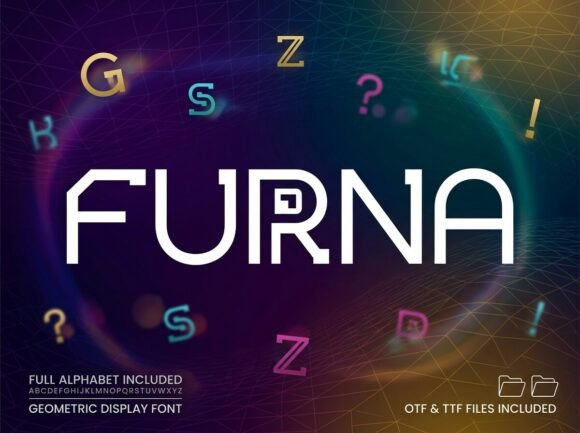
Furna distinguishes itself through a distinct architectural quality. While many display fonts lean heavily into either rigid geometry or chaotic hand-drawn aesthetics, this premium font finds a sophisticated middle ground. The letterforms possess a weight and presence that feels substantial on screen and in print. Each character acts as a standalone graphic element, contributing to an overall texture that is rich and engaging. This makes it particularly effective for designers looking to inject character into brand identities that might otherwise feel sterile.
The appeal lies in its refusal to be ignored. Unlike standard serif or script fonts that prioritize flow over form, Furna prioritizes impact. The strokes are confident, and the negative space is treated with as much intention as the inked areas. For entrepreneurs and marketers, this translates to instant visual authority. When used in logo design or hero images, the typeface communicates creativity and boldness before the viewer even processes the actual message. It is a tool for storytelling through shape alone, offering a level of expression that standard system fonts simply cannot achieve.
Navigating the All-Caps Uppercase Constraint
Before integrating Furna into your design workflow, it is critical to understand its specific structural limitation. This font is an ALL-CAPS uppercase-only display typeface. It does not include lowercase letters. This is not a missing feature but a deliberate design choice intended to maximize high-impact headlines, logos, and decorative initials. Understanding this constraint is key to using the font effectively and avoiding frustration during the layout process.
The absence of lowercase means Furna should never be used for paragraphs, captions, or extended reading. Instead, treat it as a graphical element similar to an icon or illustration. This restriction actually aids in maintaining visual hierarchy. By reserving Furna strictly for titles and short phrases, you naturally guide the audience’s eye to the most important information. Pairing it with a clean, highly readable sans serif or a neutral serif for body text creates a necessary contrast. This interplay ensures that the decorative nature of Furna enhances readability rather than hindering it, keeping your editorial design or web design accessible while remaining visually striking.
Strategic Applications Across Creative Projects
Versatility in a decorative font is rare, yet Furna adapts surprisingly well across various mediums when applied correctly. Its strength lies in short-form, high-visibility contexts where every letter needs to earn its keep.
- Brand Identity and Logo Design: Because each glyph has a unique artistic flair, Furna works exceptionally well for wordmarks. It eliminates the need for extensive custom lettering modifications, saving time while delivering a bespoke look. It is ideal for fashion labels, artisanal food brands, and creative agencies wanting to signal innovation.
- Packaging Design: On shelves crowded with noise, packaging requires instant differentiation. Furna’s bold personality holds up beautifully against complex backgrounds and varying materials. Whether embossed on luxury paper or printed on matte plastic, the thick strokes maintain legibility and shelf presence.
- Social Media Graphics: In the fast-paced environment of Instagram, TikTok, or Pinterest, you have milliseconds to capture interest. Using Furna for quote cards, announcement overlays, or video thumbnails provides the visual hook necessary to increase engagement rates. The all-caps format ensures text remains legible even on small mobile screens.
- Editorial and Publishing: For magazine covers, book jackets, and event posters, this typeface offers a cinematic quality. It sets a tone of drama and importance, signaling to the reader that the content within is significant and curated.
Technical Assets and Professional Workflow
For professional designers and hobbyists alike, file compatibility dictates workflow efficiency. Furna is supplied with both OTF (OpenType Font) and TTF (TrueType Font) files, covering the full spectrum of design software and operating systems.
The OTF file is generally the preferred choice for advanced design and layout software like Adobe Illustrator, InDesign, or Affinity Designer. OpenType format supports advanced typographic features and typically renders more accurately in professional publishing environments. It is the industry standard for ensuring that the artistic nuances of the font are preserved during export for print or high-resolution digital assets.
The TTF file ensures universal compatibility. This is vital for creators working across different platforms, including Windows, macOS, and various web-based design tools like Canva or Cricut Design Space. If you are a small business owner creating your own marketing materials or a crafter designing custom merchandise, the TTF version guarantees that Furna will install and function correctly regardless of your technical setup. Having both formats included removes friction, allowing you to move seamlessly from concept to final production without worrying about missing glyphs or rendering errors.
Evaluating Fit and Ensuring Readability
While Furna is undeniably attractive, successful typography is about appropriateness. Before purchasing or deploying this creative font, evaluate whether its personality aligns with your project goals. Ask yourself if the brand voice is bold enough to carry such a distinctive typeface. A conservative financial institution or a medical clinic might find Furna too expressive, whereas a boutique hotel, music festival, or lifestyle blogger would likely benefit from its energy.
Testing font pairings is a non-negotiable step. Since Furna is so visually dense, avoid pairing it with other decorative, handwritten, or display fonts. This creates visual competition and reduces legibility. Instead, anchor it with simplicity. A geometric sans serif like Montserrat or a classic transitional serif like Merriweather allows Furna to shine without overwhelming the layout. Create mockups in real-world contexts—view the logo at favicon size, check the headline on a mobile device, and print a proof to assess ink spread. These practical tests reveal whether the font maintains its integrity outside the design canvas.
Finally, always verify commercial licensing terms. Using a premium font correctly protects your business from legal issues and supports the type designer. Ensure your license covers the specific intended use, whether that is embedding in a website, printing on merchandise for sale, or using in client work. Respecting these parameters ensures that Furna remains a sustainable, professional tool in your creative arsenal for years to come.