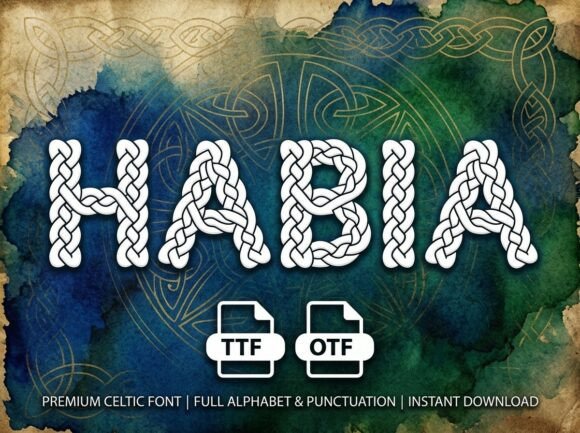
Evaluating Habia: A Guide to This All-Caps Decorative Display Font
Selecting the right typeface is a critical decision in visual communication, particularly when the goal is to establish a distinct brand identity or create high-impact marketing materials. Habia is a decorative display font that has garnered attention for its unique artistic elements and strong visual personality. Unlike standard sans-serif or serif families designed for utility, Habia is engineered specifically to serve as a focal point. For designers, marketers, and business owners evaluating this typeface, understanding its specific characteristics, technical limitations, and ideal use cases is essential before integrating it into a project.
Defining the Visual Character of Habia
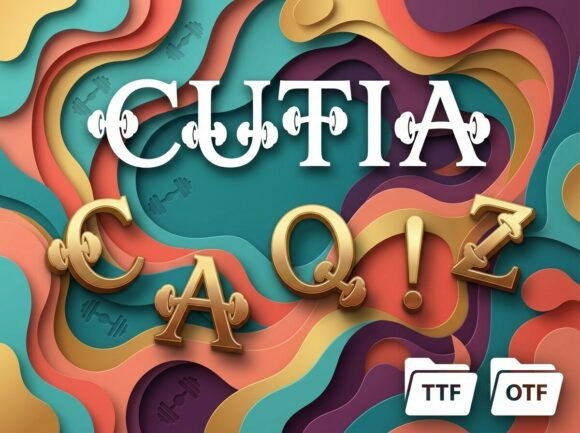
Habia falls squarely into the category of decorative display typography. It is not intended for body copy, user interfaces, or long-form reading. Instead, it functions as a graphic element where each letterform acts as an individual illustration. The design features intricate details and stylized structures that break away from conventional typographic norms. This gives the font a bespoke, handcrafted appearance that can add significant texture and depth to a layout.
The primary value proposition of Habia lies in its ability to command attention. In a digital landscape saturated with clean, minimalist geometric sans-serifs, a typeface with such pronounced character offers immediate differentiation. It communicates creativity, boldness, and a departure from the ordinary. However, this distinctiveness comes with inherent tradeoffs regarding versatility and readability that must be weighed against aesthetic goals.
Technical Specifications and File Formats
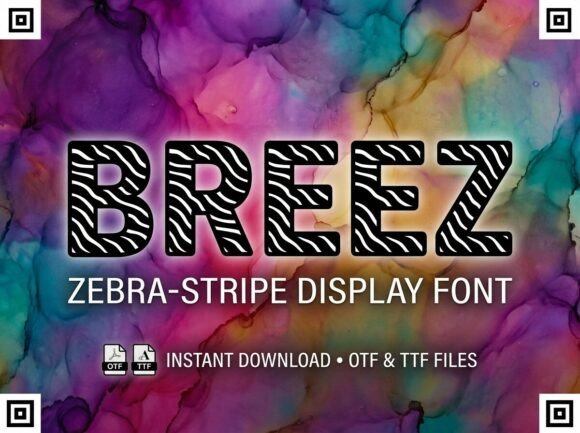
When acquiring Habia, users receive two industry-standard file formats, ensuring compatibility across various design ecosystems:
- OTF (OpenType Font): This is generally the preferred format for professional design software such as Adobe Illustrator, InDesign, and Photoshop. OpenType files often support advanced typographic features and are optimized for print and high-resolution digital output.
- TTF (TrueType Font): This format provides universal compatibility. It is suitable for older software, basic office applications, and systems where OpenType support may be limited. While functional, TTF files may not always render complex ligatures or alternates as smoothly as their OTF counterparts in professional environments.
Understanding these formats helps ensure that the font performs correctly within your specific technical workflow. For branding and packaging projects, utilizing the OTF version is typically recommended to maintain the highest fidelity of the decorative elements.
Critical Consideration: The Uppercase-Only Constraint
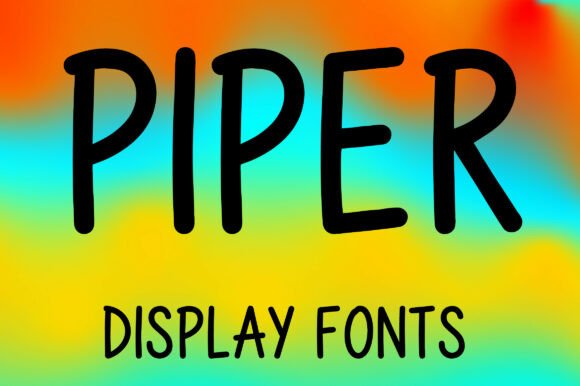
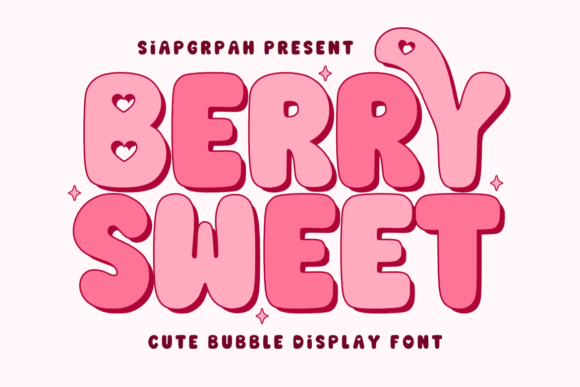
The most significant factor to evaluate before selecting Habia is its structural limitation: it is an all-caps uppercase-only typeface. There are no lowercase glyphs included in the character set. This is not a missing feature but a deliberate design choice intended to maximize visual impact and maintain consistent stroke weight and height.
This constraint has profound implications for usability. Text set entirely in uppercase is inherently more difficult to read than mixed-case text because the uniform block shape reduces word recognition speed. Consequently, Habia should never be used for paragraphs, captions, navigation menus, or any interface element requiring rapid scanning. Its application must be strictly limited to short strings of text where legibility is secondary to atmosphere and style. If your project requires sentence case, title case variation, or extensive textual content, Habia will not function effectively as a standalone solution and must be paired with a complementary secondary typeface.
Ideal Use Cases and Strategic Fit
Habia excels in scenarios where the primary objective is to arrest attention and convey a specific mood. Evaluators should consider this typeface a strong fit for the following applications:
- Bold Headlines and Titles: On posters, event flyers, or social media graphics where the headline serves as the primary visual hook.
- Artistic Logos and Wordmarks: Brands in creative industries, fashion, beauty, or artisanal sectors that benefit from a non-corporate, expressive aesthetic.
- Creative Packaging: Product labels, box art, and shopping bags where typography doubles as surface pattern or illustration.
- Decorative Initials: Using single characters as drop caps or monograms in editorial layouts to introduce sections without overwhelming the page.
In these contexts, the lack of lowercase letters becomes an asset rather than a liability, forcing a disciplined approach to hierarchy that keeps the decorative elements contained and purposeful.
When to Consider Alternatives
Despite its strengths, Habia is not a universal solution. There are several situations where alternative typefaces would be more appropriate:
- Corporate or Institutional Branding: Organizations requiring perceptions of stability, neutrality, and high legibility may find Habia too informal or distracting.
- Digital User Interfaces: Websites and apps require typefaces optimized for screen readability at small sizes. Decorative display fonts perform poorly in UI environments.
- Information-Dense Materials: Annual reports, instruction manuals, and data-heavy presentations demand clarity over personality.
- Projects Requiring Typographic Flexibility: If you anticipate needing multiple weights, italics, or case variations for future expansions, a comprehensive superfamily would offer better long-term value.
Evaluators should also consider licensing requirements. Display fonts like Habia often have different licensing terms for commercial versus personal use, and webfont licenses may carry additional costs based on traffic volume. Verifying that the license covers your intended distribution channels is a necessary step in the selection process.
Making the Final Decision
Habia represents a specialized tool in the typographic arsenal. It solves a specific problem: the need for distinctive, artistic letterforms in high-visibility, low-word-count applications. Its success depends entirely on restraint and contextual appropriateness.
Before committing to this typeface, test it within your actual design environment using real content. Mock up headlines at intended sizes to assess whether the decorative details remain clear or become muddy. Verify that the all-caps constraint does not create awkward spacing or alignment issues in your specific layout grid. Most importantly, ensure that the emotional tone conveyed by Habia aligns authentically with your brand voice rather than simply following a trend.
When used with intention and awareness of its limitations, Habia can elevate a design from competent to memorable. When applied indiscriminately, it risks compromising both aesthetics and communication. The decision ultimately rests on whether your project prioritizes expressive impact over utilitarian flexibility, and whether you have the complementary typographic resources to handle everything Habia cannot.