Evaluating Piper: A Practical Guide to Using This Playful Display Font
Selecting the right typography for a creative project often involves balancing aesthetic appeal with functional clarity. For designers, marketers, and content creators seeking a specific tone of cheerful modernity, Piper has emerged as a notable option in the display font category. Defined by its tall, hand-drawn style and rounded uppercase letterforms, Piper offers a distinct visual voice that differs significantly from standard geometric sans-serifs or traditional script fonts. However, like any specialized typeface, it serves specific use cases better than others. Understanding where Piper excels—and where alternative solutions might be more appropriate—is essential for making an informed design decision.
Defining the Visual Characteristics of Piper
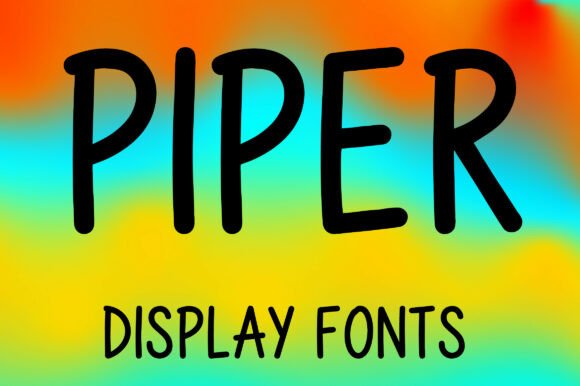
Piper is categorized as a playful display font, but its specific construction sets it apart from generic "fun" fonts. The typeface is characterized by a vertical stress, meaning the letters are noticeably taller than they are wide. This proportion creates a sense of energy and upward movement without requiring excessive horizontal space, which can be advantageous in tight layouts like social media graphics or product packaging labels.
The stroke quality is another defining feature. Rather than relying on perfect mathematical curves, Piper utilizes smooth, organic lines that mimic hand-drawn illustration. The uppercase letters A–Z feature rounded terminals and slightly quirky inconsistencies that prevent the design from feeling sterile or overly digital. This humanist touch contributes to its approachable and friendly demeanor. It is important to note that Piper is designed primarily as an uppercase set including numbers 0–9. This limitation is intentional; the font is engineered for headlines, logos, and short bursts of text rather than extended reading. Recognizing this scope is the first step in determining if it aligns with your project requirements.
Comparing Piper to Alternative Display Styles
When researching typography options, it is helpful to compare Piper against other common categories to understand its relative strengths. Designers often weigh playful display fonts against three main alternatives: geometric sans-serifs, handwritten scripts, and novelty typefaces.
Piper vs. Geometric Sans-Serifs
Geometric sans-serifs offer cleanliness and high legibility, making them safe choices for corporate branding. However, they can sometimes lack personality or warmth. Piper provides a middle ground for brands that need professionalism softened by approachability. While a geometric font might communicate stability, Piper communicates creativity and friendliness. If your goal is to appear established and serious, a geometric sans-serif is likely superior. If your goal is to appear accessible, youthful, or artisanal, Piper offers a distinct advantage in emotional resonance.
Piper vs. Handwritten Scripts
Script fonts are excellent for adding a personal touch, but they often suffer from legibility issues at smaller sizes or in all-caps settings. Because Piper uses separated, upright letterforms rather than connected cursive flows, it maintains high readability even when used in bold headlines. Scripts are generally better suited for signatures, elegant invitations, or feminine branding. Piper, conversely, works better for gender-neutral or universally appealing designs where clarity cannot be sacrificed for style. Its tall structure also allows for tighter tracking (letter spacing) than most scripts, offering more layout flexibility.
Piper vs. Novelty and Cartoon Fonts
The novelty category includes many fonts that prioritize extreme stylization over usability. These can quickly look dated or unprofessional. Piper avoids this pitfall through its "modern charm." The quirks in the letterforms are subtle rather than exaggerated. When comparing options, evaluate whether the font’s personality enhances the message or distracts from it. Piper tends to support the content, whereas heavier novelty fonts often compete with it.
Strengths and Ideal Use Cases
Piper performs best in environments where the primary objective is to capture attention and evoke a positive emotional response. Based on its design attributes, several applications stand out as particularly strong fits.
- Product Packaging: The tall aspect ratio of Piper maximizes shelf presence without consuming excessive width. It is especially effective for food and beverage labels, children’s products, and lifestyle goods where a handmade or organic feel adds perceived value.
- Social Media Graphics: In fast-scrolling feeds, legibility and instant tone communication are paramount. Piper’s bold, rounded forms read clearly on mobile screens, and its cheerful aesthetic aligns well with engagement-driven content.
- Event Invitations and Signage: For birthdays, baby showers, or community events, the font strikes a balance between festive and tidy. It feels celebratory without descending into chaos, making it suitable for both digital invites and printed wayfinding.
- Kids’ Projects and Educational Materials: The rounded, non-threatening shapes are inherently welcoming to younger audiences. Unlike comic-style fonts that can feel condescending, Piper respects the intelligence of the viewer while remaining age-appropriate.
- Creative Branding: For startups, Etsy shops, or influencers building a personal brand, Piper offers a distinctive logotype foundation. It suggests authenticity and craft, which are valuable traits in the current market landscape.
Limitations and Tradeoffs to Consider
No single typeface is a universal solution. Being aware of Piper’s limitations prevents frustration during the design process and ensures you select the right tool for the job.
Lack of Lowercase Characters
The most significant constraint of Piper is the absence of lowercase letters. This makes it unsuitable for body copy, long-form articles, or any interface requiring sentence case. Attempting to use Piper for paragraphs will result in poor readability and visual fatigue. If your project requires a cohesive typographic system that spans from headlines to fine print, you must pair Piper with a complementary sans-serif or serif font. This pairing strategy is not a flaw but a necessary workflow consideration.
Tone Specificity
Piper’s cheerful and quirky nature is a double-edged sword. It is ill-suited for industries requiring gravitas, such as legal services, finance, healthcare, or luxury sectors. Using a playful display font in these contexts can undermine trust or appear insensitive. Always evaluate the font against the brand’s core values and audience expectations before committing.
Stylistic Consistency
Because Piper mimics hand-drawn aesthetics, it may clash with highly structured, grid-based layouts or ultra-minimalist design systems. It thrives in organic, colorful, or textured environments. If your existing brand guidelines are rigid and corporate, integrating Piper may require a broader visual refresh to ensure cohesion.
Decision Factors: When to Choose Piper
Making a final selection should be based on practical criteria rather than preference alone. Consider the following checklist when evaluating Piper against other options:
- Readability Requirements: Is the text limited to headlines, titles, or short phrases? If yes, Piper is viable. If no, look elsewhere.
- Emotional Goal: Does the project need to feel fun, friendly, handmade, or approachable? Piper delivers these attributes effectively. If the goal is sleek, authoritative, or traditional, consider alternatives.
- Space Constraints: Do you need a bold visual impact within a narrow column or vertical format? Piper’s tall proportions solve this spatial challenge better than wider display fonts.
- Audience Demographics: Is the target audience receptive to informal, expressive typography? Younger demographics and creative niches typically respond well, while conservative audiences may prefer restraint.
- Pairing Potential: Do you have a reliable body text font ready to partner with Piper? Successful use of this typeface depends heavily on thoughtful combination with neutral supporting fonts.
Practical Tips for Implementation
If you decide Piper is the right choice, maximizing its effectiveness requires attention to technical details. Adjusting tracking (letter spacing) is often necessary; because the characters are tall and rounded, default spacing may appear too loose or too tight depending on the size. Test multiple settings to find the optimal rhythm. Additionally, consider color carefully. Piper’s soft shapes pair beautifully with vibrant palettes, pastels, and earth tones, but may lose definition against low-contrast backgrounds. Ensure sufficient contrast ratios for accessibility, especially in digital applications.
Finally, treat Piper as a seasoning rather than a main course. Its strength lies in accentuation. Use it to highlight key messages, create hierarchy, or inject personality into specific touchpoints. By respecting its intended role as a display face, you leverage its cheerful modern charm without compromising the overall functionality and professionalism of your design work. Thoughtful evaluation ensures that when you choose Piper, it serves both your aesthetic vision and your strategic objectives.