Irena Font: Elevating Visual Identity with Bold Typography
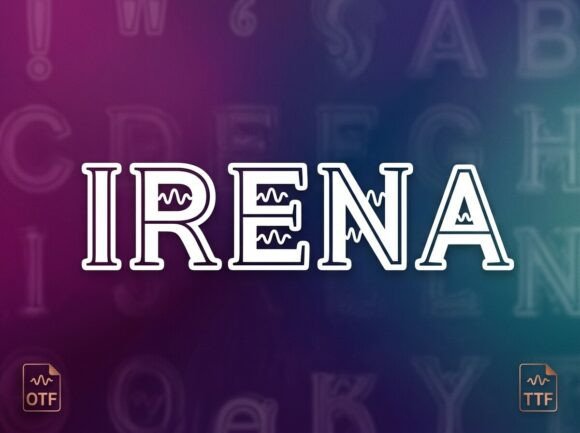
In the crowded landscape of digital and print design, capturing immediate attention is often the difference between a project that succeeds and one that fades into the background. Irena is a stunning decorative display font specifically engineered to serve as the focal point of your creative work. Unlike standard typefaces designed for readability in long-form text, this typeface brings a unique artistic personality that transforms simple words into visual statements. For creators, marketers, and business owners looking to break away from generic aesthetics, understanding the specific utility and limitations of Irena is essential for integrating it effectively into professional workflows.
Defining the Role of Decorative Display Typography
To maximize the value of Irena, it is helpful to understand where it fits within the broader typographic hierarchy. This is not a body copy font; it is a specialized tool for high-impact communication. Display fonts are characterized by their distinct personality and larger x-heights, making them ideal for short bursts of text where legibility at small sizes is secondary to aesthetic impact. Irena excels in this niche by offering a polished finish that avoids the amateurish quality sometimes associated with novelty fonts. When you choose this typeface, you are selecting a visual anchor that dictates the mood of the entire layout. It signals to the viewer that the content is curated, intentional, and confident.
The practical benefit here is efficiency in visual storytelling. Instead of relying on complex illustrations or heavy graphic elements to create interest, the typography itself carries the weight of the design. This simplifies decision-making for art directors and freelancers who need to establish a strong brand voice quickly. By treating the letterforms as graphical elements, Irena allows designers to reduce visual clutter while maintaining a high level of engagement.
Navigating the All-Caps Uppercase Constraint
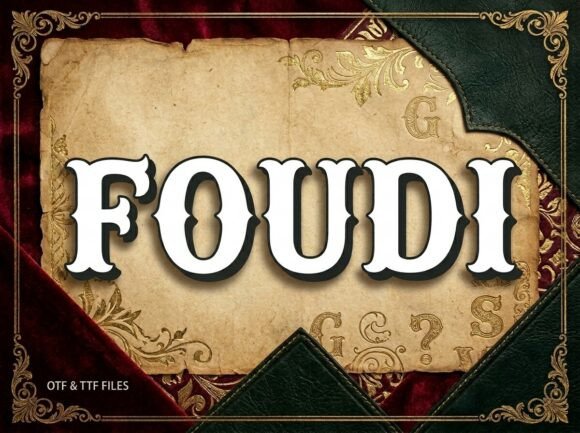
A critical consideration before incorporating Irena into any project is its specific structural limitation: this is an ALL-CAPS uppercase-only display typeface. It does not include lowercase letters. While some users may initially view this as a restriction, experienced typographers recognize this as a deliberate design choice that ensures consistency and visual harmony. In many decorative fonts, lowercase characters can feel like an afterthought or disrupt the rhythmic flow of the capitals. By committing entirely to uppercase, Irena guarantees that every character pairing maintains the intended artistic integrity.
This constraint actually streamlines the design process for specific use cases. When creating logos, monograms, or bold headlines, designers frequently convert text to all-caps anyway to achieve a uniform rectangular shape. Irena removes the guesswork of manual scaling or tracking adjustments often required when forcing mixed-case decorative fonts into a headline role. However, this also means users must be realistic about application. If your project requires sentence case for subheadings or extended reading, you will need to pair Irena with a complementary sans-serif or serif typeface. Recognizing this boundary early prevents frustration and ensures the font is used only where it performs best.
Strategic Pairing Recommendations
Because Irena commands so much attention, successful implementation relies heavily on contrast. The font’s strong visual personality demands a supporting cast that provides breathing room. For editorial layouts, consider pairing it with a clean, neutral grotesque or a classic transitional serif for body text. This juxtaposition highlights Irena’s decorative nature without overwhelming the reader. In packaging design, allowing ample negative space around the Irena logotype is just as important as the font selection itself. The goal is to let the uppercase forms stand as individual works of art rather than competing with adjacent elements.
Practical Applications Across Creative Industries
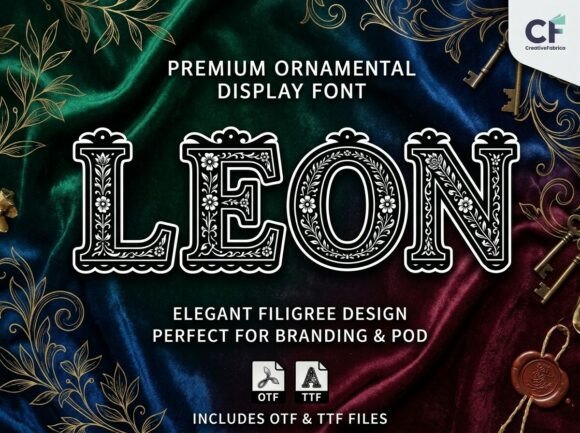
The versatility of Irena extends across multiple disciplines, provided it is applied with intention. Its strength lies in environments where brand differentiation is paramount. For entrepreneurs launching a new product line, the font offers an instant upgrade to packaging and labeling. A cosmetic bottle, artisanal food jar, or luxury candle label utilizing Irena communicates premium quality more effectively than standard system fonts. The artistic elements embedded in the letterforms suggest craftsmanship and attention to detail, attributes that consumers associate with higher value.
For digital marketers and bloggers, Irena serves as a powerful asset for social media graphics and hero images. In platforms like Instagram or Pinterest, where users scroll rapidly, the distinctive silhouette of these uppercase letters can stop the thumb. Creating quote cards, announcement banners, or event promotions becomes more efficient because the typography provides the necessary decoration. Educators and presenters can also leverage this style for title slides or section dividers, breaking up dense information with visually stimulating markers that maintain audience focus.
Freelance designers working on branding projects will find Irena particularly useful for logotypes and wordmarks. The unique construction of the characters reduces the need for extensive custom modification, saving billable hours while delivering a bespoke look. Whether designing for a fashion boutique, a music festival, or a creative agency, the font provides a foundational aesthetic that feels both contemporary and timeless.
Technical Specifications and Workflow Integration
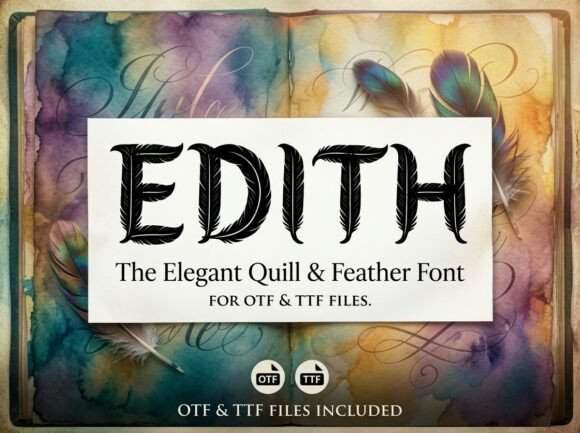
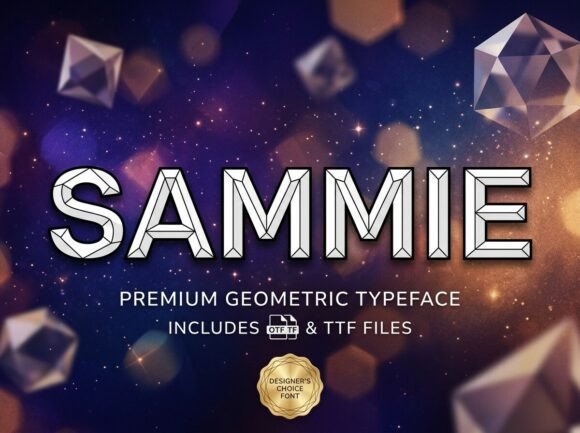
Beyond aesthetics, technical reliability is non-negotiable for professional work. Irena is delivered in two industry-standard formats to ensure seamless integration into any workflow. The inclusion of an OTF (OpenType Font) file is significant for advanced designers using Adobe Illustrator, InDesign, or Affinity Designer. OpenType format supports superior rendering and layout features, ensuring that the intricate details of the decorative elements remain crisp at large scales. This is the preferred format for print production and high-resolution digital output.
Simultaneously, the TTF (TrueType Font) file guarantees universal compatibility. This format is essential for users working in Microsoft Office, Canva, Cricut Design Space, or older software environments. Having both files eliminates the common friction point where a designer creates a mockup in professional software but cannot share an editable version with a client who lacks those tools. This dual-format delivery supports collaboration and ensures that the visual identity remains consistent regardless of the platform used to view or edit the document.
Evaluating Fit Before Implementation
While Irena is a powerful asset, it is not a universal solution. Professionals should evaluate whether the tone aligns with their specific message. The font exudes confidence and artistry, making it less suitable for conservative corporate reports, medical documentation, or interfaces requiring rapid data scanning. In these contexts, clarity and neutrality take precedence over personality. Additionally, because it is uppercase only, accessibility considerations regarding screen readers should be kept in mind for web implementations; proper semantic tagging is necessary to ensure assistive technologies interpret the text correctly despite the visual styling.
Ultimately, Irena represents a strategic investment in visual distinction. It solves the problem of generic design by providing a ready-made aesthetic framework that elevates headlines, logos, and packaging. By respecting its all-caps nature and leveraging its technical versatility, creators can produce work that is not only visually arresting but also professionally robust. The value lies not just in the beauty of the letterforms, but in the ability of those forms to communicate quality and intention instantly. When used appropriately, this typeface does more than display text; it defines the character of the brand itself.