Moncle: Bold Display Serif for Impactful Design
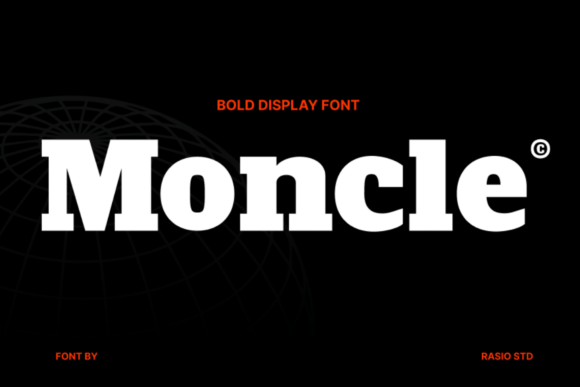
In a digital landscape saturated with minimalist sans serifs and delicate scripts, there is a distinct power in choosing a typeface that refuses to whisper. Moncle is a bold display serif font that understands this need for visual authority. It is not designed to recede into the background or serve as invisible body text; rather, it is engineered to anchor a layout and demand immediate attention. For designers, marketers, and business owners navigating the crowded spaces of social media feeds, magazine covers, and product packaging, Moncle offers a solution that balances vintage structural strength with contemporary clarity.
The personality of this typeface lies in its unapologetic weight. Featuring thick slab-like serifs and a robust vertical structure, it carries a sense of permanence and reliability often associated with mid-century industrial signage or classic editorial mastheads. However, unlike genuine antique revivals that can sometimes feel dusty or overly ornate, Moncle maintains clean lines and modern proportions. This duality makes it an exceptionally versatile creative font. It possesses enough character to evoke nostalgia and craftsmanship while remaining legible and relevant in high-resolution digital environments. When you select this premium font for a project, you are making a deliberate statement about confidence and stability.
Strategic Applications Across Media and Branding
Understanding where a display font performs best is just as important as appreciating its aesthetics. Moncle shines brightest when tasked with carrying significant visual weight in headlines, posters, and branding projects. Because of its commanding presence, it is particularly effective for short-form messaging where impact matters more than extended readability. Consider the constraints of a social media graphic or a hero section on a landing page; you have mere seconds to communicate value. The strong vertical stress and substantial x-height of Moncle ensure that key messages remain crisp and authoritative even at smaller display sizes or on mobile screens.
For entrepreneurs and small business owners building a brand identity, this typeface serves as a powerful tool for differentiation. In sectors like artisanal coffee, boutique fashion, craft brewing, or independent publishing, there is often a tension between appearing established and feeling fresh. Moncle bridges this gap effectively. It works beautifully in logo design, providing a solid typographic foundation that feels custom and bespoke without the expense of hand-lettering. Similarly, in packaging design, the font’s slab serifs create a tactile quality on screen that translates well to physical labels, suggesting durability and quality ingredients or materials.
Editorial designers will also find practical value here. While many bold serifs struggle when scaled up due to awkward spacing or inconsistent stroke widths, Moncle is constructed specifically for large-format use. It holds its shape in poster design and magazine spreads, allowing for dramatic typographic treatments where letters can be cropped, overlapped, or colored boldly without losing their essential form. This makes it a reliable asset for art directors who need a workhorse display face that won't fail under the pressure of a tight deadline or a complex layout.
Enhancing Hierarchy and Audience Engagement
Typography is never just about decoration; it is a functional interface for communication. The choice of a typeface like Moncle directly influences how an audience processes information. By utilizing such a visually heavy serif for primary headers, you establish an immediate hierarchy that guides the viewer’s eye. The contrast between Moncle’s thick strokes and lighter supporting elements creates a rhythm that improves scannability. This is crucial for web design and content marketing, where engagement depends on clear navigation and digestible information architecture.
Furthermore, typeface selection subtly shapes brand perception. Research in consumer psychology suggests that serif fonts are often associated with trustworthiness, tradition, and expertise. By leveraging these inherent associations through a modern lens, brands can signal professionalism without appearing stiff. For bloggers and content creators, using Moncle in featured images or pull quotes adds a layer of editorial polish that elevates perceived value. It signals to the reader that the content has been curated with care, distinguishing your work from generic template-based designs. This psychological edge is invaluable when trying to build recognition and loyalty in competitive niches.
Practical Guidance for Implementation and Pairing
Integrating a bold display serif into your workflow requires thoughtful consideration to avoid visual fatigue. Because Moncle is so distinctive, it should be used sparingly. Treat it as the lead vocalist in a band, not the entire choir. Reserve it for titles, logos, and short emphasis points. For body copy, captions, and interface elements, you will need to explore effective font pairing strategies. A clean, neutral sans serif font usually provides the best counterpoint, offering necessary breathing room and ensuring that the overall design remains accessible. Alternatively, a simple monospaced font can create an interesting utilitarian contrast for technical or data-heavy projects.
When evaluating project fit, always test the typeface in context before committing. What looks striking in a specimen sheet might behave differently against a textured background or within a specific color palette. Pay close attention to tracking (letter-spacing). Bold serifs with slab characteristics can sometimes appear cramped if set too tightly, or disjointed if spaced too loosely. Adjusting the tracking by even 10-20 units can significantly improve the optical balance and readability of a headline. Additionally, verify that the included character set meets your needs. Moncle features uppercase and lowercase characters with full punctuation, making it suitable for sentence case headlines, but always check for specific glyphs or symbols required for your particular language or industry terminology.
- Check Licensing Early: Before falling in love with the aesthetic, confirm the commercial licensing terms. Ensure the license covers your intended use, whether that is web embedding, app usage, or merchandise printing.
- Test at Multiple Sizes: A display font must be evaluated at both its largest intended size and its smallest. Verify that the slab serifs do not disappear or pixelate on lower-resolution screens.
- Evaluate Color Contrast: Heavy typefaces absorb more ink and light. Ensure sufficient contrast ratios against your background colors to maintain accessibility standards and visual pop.
- Mind the Whitespace: Bold fonts require generous margins and padding. Do not crowd Moncle against other elements; let its structure breathe to maximize impact.
Ultimately, the decision to use Moncle should stem from a clear communication goal. It is a typeface for moments that require conviction. Whether you are designing a vintage-inspired label for a hot sauce brand, crafting a bold headline for a tech newsletter, or establishing a new visual identity for a consultancy, this font provides the structural integrity needed to make your message stick. By understanding its strengths and respecting its visual weight, you can leverage this modern typography asset to create work that is not only seen but remembered. In an era of fleeting attention, choosing a typeface with genuine presence is a strategic advantage that pays dividends across every touchpoint of your creative output.