Catun: A Display Serif for Creative Branding
Typography is often the first signal of intent in visual communication. Before a viewer reads a single word, the shape of the letters tells them whether a brand is corporate or artisanal, urgent or relaxed, mass-market or exclusive. Catun enters this space as a sophisticated display serif designed to bridge the gap between vintage calligraphy and modern boutique branding. It captures a classic-and-creative soul through elegant, high-contrast letterforms that feel both intentional and organic.
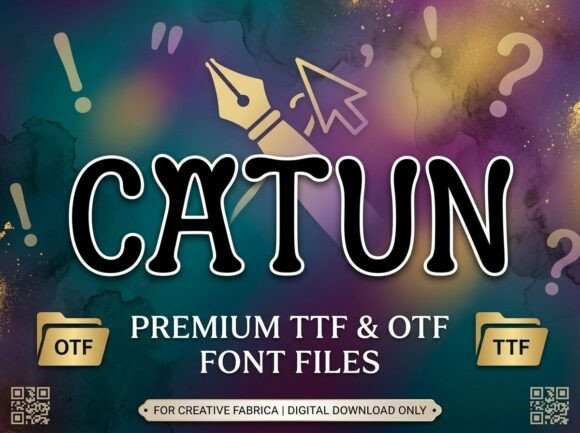
What sets Catun apart from standard transitional serifs is its unique characterization. The font features rhythmic, hand-drawn cupped terminals and flared stems that suggest human touch rather than mechanical precision. With a medium structural weight, it avoids the fragility of ultra-thin fashion fonts while maintaining enough refinement to steer clear of heavy slab-serif territory. This balance makes it a versatile tool for independent design studio identities, boutique art gallery logos, premium lifestyle packaging, and curated social media headers.
Why Designers Choose Catun for Identity Work
For professional graphic designers and art directors, the primary evaluation criteria for any typeface are distinctiveness and flexibility. In an era where many brands rely on safe, geometric sans-serifs, Catun offers a way to inject personality without sacrificing legibility. The medium weight is particularly valuable for identity systems because it holds up across various applications. A logo mark needs to be readable on a business card and a storefront sign; Catun’s structural integrity ensures it performs well at both scales.
The flared stems and cupped terminals serve a functional purpose beyond aesthetics. They create a natural rhythm that guides the eye, making headlines feel dynamic even when set in static layouts. For designers working on editorial projects or luxury packaging, these details provide built-in texture. Instead of relying heavily on illustration or photography to convey craftsmanship, the typography itself carries the narrative of quality and care. This efficiency is crucial for professionals who need to deliver high-impact visuals within tight production timelines.
Elevating Small Business and Boutique Branding
Entrepreneurs and small business owners often face a different set of challenges than agency designers. The priority is usually establishing credibility and differentiation on a budget. For a local pottery studio, an independent bookstore, or a specialty coffee roaster, generic templates can make a business look interchangeable. Catun provides an accessible entry point to bespoke branding.
Because the font possesses such strong artistic personality, it reduces the need for complex custom logotypes. A simple wordmark set in Catun can communicate heritage and sophistication immediately. This is especially relevant for businesses in the maker economy or wellness sectors, where customers value authenticity over polish. The hand-drawn qualities of the letterforms resonate with consumers looking for human connection in their purchasing decisions. For these users, the value lies in how quickly the typeface can transform a basic layout into something that feels established and trustworthy.
Perspectives from Educators and Students
In academic and learning environments, typefaces are evaluated through the lens of pedagogy and experimentation. Typography students and educators may find Catun useful as a case study in hybridization. It demonstrates how historical forms can be reinterpreted for contemporary contexts without becoming pastiche. Analyzing the transition points in the stems and the specific geometry of the cupped terminals can help learners understand the relationship between calligraphic origins and digital vector construction.
For student portfolios, using a distinctive display face like Catun can help work stand out during reviews or job applications. However, beginners must exercise restraint. Because the font has such a specific voice, it pairs best with neutral, highly legible body text. Learning to balance Catun’s expressive nature with functional supporting type is a practical exercise in hierarchy and contrast. This skill translates directly to professional practice, where knowing when not to use a decorative element is just as important as knowing when to use it.
Practical Applications for Content Creators
Social media managers, bloggers, and digital content creators operate in an attention economy where scroll-stopping power is essential. Yet, there is a fine line between engaging and illegible on small screens. Catun’s medium weight makes it surprisingly resilient in digital environments where thin serifs often disappear against busy backgrounds or low-resolution displays.
Creators can leverage this typeface for:
- Instagram Carousels: Using Catun for slide titles creates a cohesive, magazine-like aesthetic that encourages swiping.
- YouTube Thumbnails: The high contrast and flared details remain visible even at thumbnail size, helping videos stand out in crowded feeds.
- Blog Headers: Establishing a consistent visual tone that signals long-form, thoughtful content rather than clickbait.
- Email Newsletters: Adding warmth and personality to subject lines or header images to increase open rates and engagement.
For this audience, speed and reliability are paramount. They need a font that looks good without requiring extensive kerning adjustments or post-processing. Catun’s inherent rhythm allows for quick typesetting that still appears custom-designed, streamlining the content creation workflow.
Evaluating Fit: Is Catun Right for Your Project?
Not every project requires a display serif with this level of character. Determining whether Catun aligns with your goals involves honest assessment of your brand voice and technical requirements. If your project demands absolute neutrality, such as medical signage or financial data tables, a more utilitarian typeface would be appropriate. Catun thrives in spaces where emotion, curation, and storytelling are central to the user experience.
Consider the following factors when evaluating fit:
- Tone Alignment: Does your brand lean towards classic, creative, or artisanal? Catun supports these attributes naturally. If your brand is futuristic, tech-forward, or industrial, the vintage calligraphic influences may create dissonance.
- Hierarchy Needs: Are you using this for headlines, logos, and short pull quotes? Display serifs are rarely suitable for extended body copy. Ensure you have a complementary text face selected before committing to Catun for your primary visual anchor.
- Medium Considerations: While the medium weight aids versatility, always test in context. Print proofs and screen tests are necessary to ensure the cupped terminals render correctly at your intended sizes.
- Audience Expectations: Premium lifestyle consumers often associate high-contrast serifs with luxury and exclusivity. If accessibility and maximum readability for diverse age groups are the sole priorities, verify that the stylistic flourishes do not hinder comprehension.
Balancing Creativity with Commercial Value
Ultimately, typography is a business decision as much as an artistic one. For freelancers and agencies, recommending Catun to a client is a strategic move that positions the brand within a specific market segment. It signals that the business understands current design trends while respecting traditional craftsmanship. This perception of value can justify premium pricing for products and services.
For hobbyists and personal projects, the value is intrinsic. Working with a typeface that has genuine artistic merit can elevate personal satisfaction and skill development. Whether designing wedding invitations, zines, or personal websites, Catun offers a level of refinement that transforms amateur efforts into polished compositions. The key is to let the typeface breathe. Its beauty lies in its details, and overcrowding it with other decorative elements diminishes its impact. By understanding the specific strengths of Catun—its rhythmic terminals, flared stems, and balanced weight—users across all skill levels can harness its potential to create work that feels both timeless and distinctly contemporary.