Evaluating Photobox Natural for Creative Design Projects
Selecting the appropriate typeface is a foundational decision in graphic design, influencing not only readability but also the emotional resonance of a project. For designers seeking a balance between casual aesthetics and functional versatility, Photobox Natural presents a specific set of characteristics worth examining. This font is defined by its warm, friendly demeanor and hand-drawn aesthetic, making it a distinct option within the display typeface category. Understanding its technical capabilities, ideal use cases, and inherent limitations is essential for determining whether it aligns with specific project goals.
Defining the Aesthetic and Technical Profile
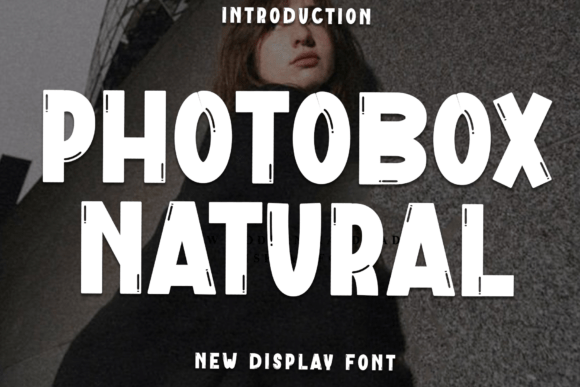
Photobox Natural is categorized as a casual and creative script font that prioritizes approachability over formality. Its visual identity is constructed through round, playful strokes that mimic natural handwriting rather than rigid digital geometry. This organic structure creates a relaxed atmosphere, distinguishing it from more structured sans-serif or traditional serif typefaces. The charm of Photobox Natural lies in its imperfections; the varying stroke widths and fluid connections suggest a human touch, which can be particularly effective in establishing a personal connection with an audience.
Beyond its visual style, the font includes significant technical features that enhance its utility across different platforms. It is equipped with standard PUA (Private Use Area) encoded glyphs. This encoding allows users to access special characters, ligatures, swashes, and alternates without requiring advanced OpenType support in their software. This compatibility extends to various application engines, including Adobe Photoshop, Adobe Illustrator, CorelDRAW, and Canva. For designers who frequently switch between professional desktop publishing software and browser-based tools like Canva, this cross-platform accessibility ensures consistent branding and design flexibility.
Ideal Applications and Strategic Fit
The strengths of Photobox Natural are most apparent when matched with appropriate contexts. Because the font exudes warmth and friendliness, it performs exceptionally well in scenarios where the primary objective is to invite engagement or convey intimacy. Evaluating potential projects against these strengths helps determine fit:
- Personal Stationery and Invitations: Wedding invitations, birthday cards, and thank-you notes benefit from the hand-drawn aesthetic. The font replaces generic typography with something that feels bespoke and thoughtful, enhancing the perceived value of physical correspondence.
- Social Media Graphics: In crowded digital feeds, the playful strokes of Photobox Natural can serve as an effective pattern interrupt. It works well for quotes, announcements, and lifestyle content where a conversational tone is required. The PUA encoded glyphs allow for unique variations in recurring posts, preventing visual fatigue.
- Branding for Artisanal or Child-Centric Businesses: Brands focusing on handmade goods, childcare, education, or wellness often require typography that avoids corporate sterility. This typeface supports brand identities rooted in authenticity, care, and creativity.
- Product Packaging and Labels: For small-batch products or items emphasizing natural ingredients, the font adds a tactile quality to packaging design, reinforcing the product's narrative before the consumer even reads the copy.
Tradeoffs and Practical Considerations
While Photobox Natural offers distinct advantages, objective evaluation requires acknowledging its limitations. No single typeface is universally applicable, and understanding where this font falls short is as important as knowing where it excels.
Legibility at Small Sizes: Like many hand-drawn and script fonts, Photobox Natural is designed primarily for display purposes. The intricate details and rounded forms that contribute to its charm can become indistinct when scaled down significantly. It is generally not suitable for body text, fine print, or complex data tables. Designers should reserve this typeface for headlines, subheads, and short accent phrases, pairing it with a highly legible sans-serif or serif for extended reading.
Tone Limitations: The casual nature of the font dictates its appropriateness. It may clash with brands or projects requiring authority, luxury, or strict professionalism. Using Photobox Natural in legal documents, financial reports, or high-end tech branding could undermine the intended message by appearing too informal or juvenile. Contextual awareness is critical; the font amplifies friendliness but diminishes gravitas.
Overuse Risks: Because the font has a strong personality, using it excessively within a single layout can lead to visual clutter. The hand-drawn elements compete for attention. Best practice involves using Photobox Natural sparingly as a focal point, allowing negative space and neutral supporting typefaces to provide balance.
Comparing Alternatives and Decision Making
When evaluating Photobox Natural against other options, designers should consider the specific nuance required. If the goal is handwritten authenticity but with greater legibility for longer passages, a cleaner monoline script might be preferable. Conversely, if the objective is maximum playfulness and the current choice feels too restrained, a more illustrative or textured brush font could be a better alternative.
The inclusion of PUA encoded glyphs is a significant differentiator in the decision-making process. Many free or lower-tier decorative fonts lack these extra characters, forcing designers to manually create flourishes or settle for repetitive letterforms. If a project demands typographic variety and the designer relies on software like Canva that sometimes limits OpenType feature access, Photobox Natural provides a practical solution that bridges the gap between ease of use and professional customization.
Final Assessment for Designers
Photobox Natural serves as a specialized tool within a designer’s typographic arsenal. It is best evaluated not as a standalone solution, but as a component of a broader visual system. Its value proposition centers on adding human warmth and creative flair to designs that might otherwise feel sterile or impersonal.
For designers working on personal projects, social media campaigns, or brands with a soft, approachable identity, this font offers a compelling combination of aesthetic appeal and technical convenience. The PUA encoding ensures that the investment in the font yields long-term utility across multiple software environments. However, for projects demanding high information density, formal authority, or minimalist precision, alternative typefaces will likely yield superior results.
Ultimately, the decision to utilize Photobox Natural should stem from a clear alignment between the font’s inherent traits—roundness, playfulness, and informality—and the communicative goals of the project. When applied with intention and restraint, it transforms standard layouts into engaging, personable experiences. By weighing its expressive benefits against its functional constraints, designers can make informed choices that enhance both the beauty and effectiveness of their work.