Evaluating The Sunshine Font for Design Projects
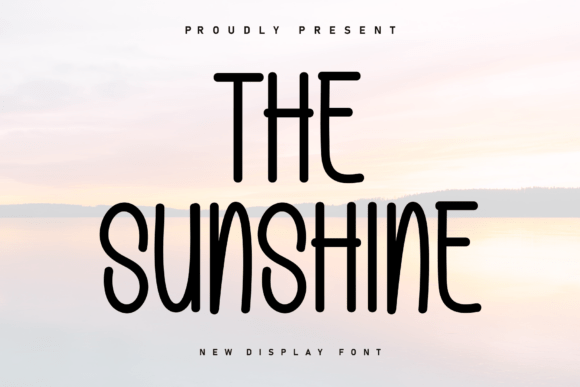
Selecting the appropriate typeface is a foundational decision in visual communication, influencing how an audience perceives tone, authenticity, and professionalism. The Sunshine is a handwritten script font characterized by smooth strokes and organic lines that aim to convey heartfelt perfection. For designers, marketers, and content creators evaluating typography options, understanding the specific utility and limitations of this typeface is essential. This analysis explores the functional attributes of The Sunshine, examining its suitability for branding, invitations, and digital graphics while objectively weighing its benefits against practical tradeoffs.
Defining the Typographic Character
The Sunshine falls within the category of casual script or modern calligraphy typefaces. Unlike formal copperplate scripts that adhere to strict historical rules, this font prioritizes a relaxed, contemporary aesthetic. Its defining feature is the simulation of natural hand-lettering, where stroke weight varies organically to mimic the pressure of a physical pen or brush. The letterforms are connected but maintain distinct readability, avoiding the excessive ligatures or swashes that can sometimes hinder legibility in digital environments.
From a technical evaluation standpoint, The Sunshine is designed to bridge the gap between personal intimacy and commercial polish. It avoids the rigid uniformity of sans-serif fonts while steering clear of the chaotic unpredictability of genuine raw handwriting. This balance makes it a candidate for projects requiring a human touch without sacrificing professional consistency. When assessing this font, users should note that its "heartfelt" quality is derived from rounded terminals and open counters, which psychologically signal approachability and warmth rather than authority or urgency.
Primary Use Cases and Strategic Fit
Determining whether The Sunshine aligns with project goals requires matching its visual personality to specific communication objectives. Based on its design characteristics, it demonstrates strong performance in three primary areas:
Lifestyle and Boutique Branding
For brands in the wellness, artisanal food, children’s products, or handmade goods sectors, The Sunshine serves as an effective display typeface. It supports brand identities that rely on narratives of craftsmanship, care, and personal connection. In logo design and packaging, the font’s organic lines suggest that a human being was directly involved in the creation process. However, evaluators must ensure the brand voice is genuinely soft or personal; using this typeface for corporate finance, legal services, or high-tech industries would likely create cognitive dissonance and undermine perceived competence.
Event Stationery and Invitations
Wedding invitations, baby shower announcements, and personal greeting cards represent the most traditional application for this style of typography. The Sunshine offers a romantic yet readable alternative to dense Victorian scripts. Its strength here lies in its ability to set an emotional tone before the recipient reads the specific details. For event stationery, it pairs effectively with ample whitespace and textured paper stocks. Designers should evaluate the specific wording of the invitation; if the text is lengthy or contains complex logistical data, The Sunshine should be restricted to headers and names, deferring body copy to a simpler serif or sans-serif companion.
Social Media and Digital Content
In social media graphics, particularly on platforms like Instagram and Pinterest, The Sunshine functions well as a headline element for quotes, announcements, or lifestyle photography overlays. The relaxed atmosphere evoked by the font aligns with current trends favoring authenticity over hyper-polished advertising. However, digital evaluation requires testing across devices. Because the strokes are organic and variable, they may render poorly at very small sizes on low-resolution screens. Users must verify legibility at thumbnail scale before committing to this typeface for mobile-first campaigns.
Benefits and Practical Advantages
When compared to other handwritten fonts, The Sunshine offers several distinct advantages that justify its selection for appropriate projects:
- Emotional Resonance: The typeface successfully encodes warmth and sincerity, reducing the psychological distance between the sender and the receiver.
- Versatile Pairing Potential: Due to its moderate contrast and lack of aggressive ornamentation, it pairs reliably with a wide range of minimalist sans-serifs and classic serifs, simplifying the typographic hierarchy.
- Readability Balance: It maintains higher legibility than many decorative scripts, making it accessible to broader audiences, including those who may struggle with elaborate cursive.
- Timeless Quality: While trendy, the organic construction avoids specific fad-based stylizations, suggesting better longevity for branding assets compared to ultra-modern novelty fonts.
Tradeoffs and Critical Considerations
No typeface is universally applicable. A thorough evaluation of The Sunshine must acknowledge its limitations to prevent costly redesigns or accessibility issues.
Legibility Constraints
Despite being more readable than ornate scripts, The Sunshine remains a display font. It is not suitable for body text, captions, or interface elements. Using it for paragraphs will fatigue readers and decrease comprehension. If a project requires extensive textual explanation alongside the handwritten element, a secondary typeface is mandatory. Relying solely on The Sunshine for information-heavy designs is a significant usability risk.
Tone Specificity
The "relaxed atmosphere" is both a feature and a constraint. The font lacks the geometric precision required for technical, authoritative, or urgent messaging. It cannot effectively communicate warnings, financial data, or corporate policy. Evaluators must honestly assess whether their content demands gravitas; if so, The Sunshine is likely a misalignment regardless of aesthetic preference.
Technical Rendering
Handwritten fonts often face challenges in web environments. Users implementing The Sunshine on websites must consider load times and fallback strategies. If the webfont fails to load, the browser’s default cursive fallback may look drastically different, breaking the intended design. Additionally, licensing terms for web use versus print use vary significantly; verifying the specific license tier required for the intended medium is a necessary administrative step.
Decision-Making Framework for Selection
To determine if The Sunshine is the correct choice, stakeholders should apply the following evaluation criteria:
- Audit the Emotional Goal: Does the project require feelings of warmth, nostalgia, or personal care? If the goal is efficiency, innovation, or security, pause and reconsider.
- Test Hierarchy Early: Create mockups combining The Sunshine with potential body copy fonts. Assess whether the script enhances the layout or competes with essential information.
- Verify Accessibility: Check color contrast ratios and minimum size requirements. Ensure that the organic strokes do not disappear against busy backgrounds or at reduced scales.
- Assess Longevity: For permanent branding assets, evaluate whether the font feels too tied to a current trend cycle. For temporary campaigns or seasonal events, trendiness is less of a concern.
- Review Licensing Compliance: Confirm that the purchased license covers all intended uses, including commercial distribution, web embedding, and merchandise production if applicable.
When to Consider Alternatives
While The Sunshine excels in specific niches, alternatives may offer superior performance in different contexts. If maximum legibility at small sizes is paramount, a monoline script or a rounded sans-serif may provide similar warmth with better functional clarity. For luxury or high-fashion branding, a high-contrast formal script or an elegant serif might convey sophistication more effectively than the casual nature of The Sunshine. Furthermore, if the project requires multilingual support, users must verify character set coverage; many handwritten fonts have limited language support, necessitating a switch to a typeface with comprehensive Unicode coverage.
Ultimately, The Sunshine is a specialized tool best deployed with intention. Its value lies in its ability to humanize design and evoke specific emotional responses. By objectively weighing its organic charm against functional constraints, designers can make informed decisions that serve both aesthetic aspirations and practical communication needs.