Evaluating Casualine for Handwritten Design Projects
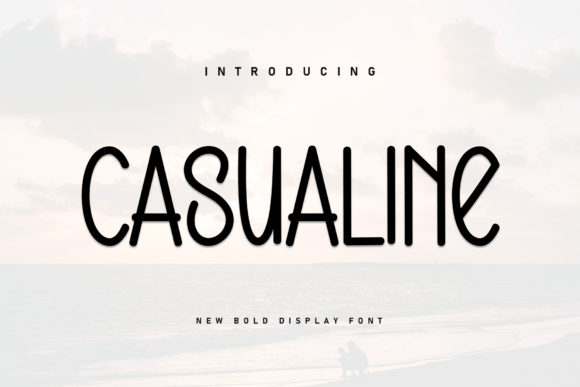
Selecting the appropriate typeface is a critical decision in visual communication, particularly when the design goal involves conveying warmth, authenticity, or personal connection. Casualine is a handwritten font characterized by its sweet aesthetic and characters that dance along the baseline. Unlike rigid script fonts that adhere strictly to a horizontal grid, Casualine introduces organic vertical variation, mimicking the natural rhythm of human handwriting. For designers, marketers, and content creators evaluating typography options, understanding the specific functional and aesthetic attributes of this typeface is essential for determining its suitability for a given project.
Defining the Visual Characteristics of Casualine
To evaluate Casualine effectively, one must first understand its distinct typographic anatomy. The font falls within the casual script category but distinguishes itself through significant baseline modulation. In traditional typography, letters sit on a fixed line; in Casualine, individual glyphs shift vertically, creating a wave-like motion across the text block. This "dancing" effect prevents the mechanical appearance often associated with digital scripts.
The stroke weight is generally consistent and moderate, avoiding the extreme contrast between thick and thin lines found in calligraphy-based fonts. This uniformity contributes to its description as "sweet" rather than dramatic or aggressive. The letterforms feature rounded terminals and open counters, which enhance legibility at smaller sizes compared to more condensed or ornate scripts. When assessing this font, it is important to recognize that its primary value proposition is approachability. It is engineered to reduce the psychological distance between the brand or message and the viewer, simulating the intimacy of a personal note.
Strategic Applications and Ideal Use Cases
Casualine performs optimally in contexts where emotional resonance takes precedence over information density. Evaluators should consider this typeface for projects requiring a cozy, artisanal, or friendly accent. Specific scenarios where Casualine demonstrates strong alignment with design goals include:
- Branding for Lifestyle and Wellness: Brands focusing on self-care, organic products, or children’s goods benefit from the non-threatening, soft geometry of the letterforms.
- Packaging Design: On product labels, particularly for food, beverages, or cosmetics, the baseline variation adds tactile interest and suggests handcrafted quality without sacrificing readability.
- Social Media Graphics: In quote cards or announcement overlays, the font’s personality helps stop the scroll by breaking the visual monotony of standard sans-serif feeds.
- Event Stationery: For informal weddings, baby showers, or party invitations, Casualine strikes a balance between celebratory and relaxed, avoiding the formality of traditional copperplate scripts.
In these environments, the font acts as a tonal modifier. It signals to the audience that the content is curated, personal, and accessible. The irregular baseline serves as a visual cue for authenticity, which is increasingly valuable in an era of AI-generated content and polished corporate minimalism.
Tradeoffs and Functional Limitations
While Casualine offers distinct aesthetic advantages, objective evaluation requires acknowledging its limitations. No typeface is universally applicable, and the very features that make Casualine charming can also render it unsuitable for certain tasks. Designers must weigh the following tradeoffs before implementation:
Legibility at Small Sizes
The dancing baseline, while visually engaging, disrupts the horizontal flow necessary for rapid reading. At small point sizes (typically below 14pt for print or 18px for web), the vertical shifts can cause letters to collide or become indistinct. This makes Casualine a poor candidate for body copy, legal disclaimers, navigation menus, or dense informational text. It is strictly a display typeface intended for headlines, subheads, and short phrases.
Tonal Specificity
The "sweet" character of Casualine limits its versatility. It may clash with brands aiming for luxury, authority, technological innovation, or corporate seriousness. Using this font in a financial report or a high-end tech interface could undermine credibility by introducing an unintended sense of informality or juvenility. Evaluators must ensure the font’s inherent mood aligns with the broader brand strategy, not just the immediate visual preference.
Spacing and Kerning Requirements
Handwritten fonts with variable baselines often require manual adjustment. Automated kerning pairs may not account for the unique vertical positioning of every glyph combination. Users should expect to spend additional time adjusting tracking and leading to prevent awkward gaps or overlaps, especially when using the font in all-caps or mixed-case settings that differ from the designer's original intent.
Comparing Casualine Against Alternatives
When selecting a handwritten typeface, it is prudent to compare Casualine against other market options to ensure the best fit. Decision-makers should consider the following comparative factors:
- Versus Traditional Scripts: If the project requires elegance, formality, or historical reference, a connecting script with high stroke contrast is superior. Casualine lacks the refined ligatures and sophisticated swashes of formal calligraphy.
- Versus Monoline Sans-Serifs: If maximum legibility and modern neutrality are the goals, a geometric or humanist sans-serif is more appropriate. Casualine sacrifices utility for personality.
- Versus Grunge/Distressed Fonts: If the goal is raw authenticity or edginess, Casualine may appear too polished or cute. Distressed textures convey age and wear that Casualine’s clean vectors do not possess.
- Versus Other Casual Scripts: Compare the amplitude of the baseline dance. Some competitors offer subtler variations for better readability, while others offer more extreme modulation for greater impact. Test Casualine alongside two or three alternatives in the actual layout context to judge which level of irregularity best serves the hierarchy.
Practical Decision-Making Framework
To determine if Casualine aligns with your current needs, apply the following evaluation checklist during the selection process:
- Define the Emotional Objective: Does the project require warmth, coziness, or playfulness? If the answer is neutral or negative, discard this option immediately.
- Audit the Text Volume: Is the intended usage limited to fewer than ten words per instance? If longer passages are required, seek a different solution.
- Test in Context: Do not evaluate the font in isolation. Place it within the actual design mockup alongside supporting typefaces. Ensure the x-height and visual weight harmonize with your secondary fonts.
- Verify Licensing: Confirm that the license covers your specific use case, particularly for commercial branding, merchandise, or web embedding. Handwritten fonts often have tiered licensing structures that differ from standard system fonts.
- Assess Technical Compatibility: Check for OpenType features such as alternates, ligatures, or swashes. These features can significantly extend the utility of Casualine by allowing customization that reduces repetition in longer headlines.
Final Considerations for Implementation
Casualine represents a specific niche within the typographic landscape: the intersection of legibility and organic charm. Its strength lies in its ability to humanize digital and printed media without resorting to illegible scrawls. However, its success depends entirely on restrained application. It is an accent instrument, not the entire orchestra.
For evaluators prioritizing user experience and brand consistency, the decision to use Casualine should be driven by data and strategic alignment rather than subjective preference alone. When deployed correctly in low-density, high-emotion contexts, it effectively bridges the gap between professional design and personal touch. When misapplied in high-density or formal contexts, it becomes a liability. By rigorously testing the font against the practical constraints of your project and comparing it objectively against alternatives, you can confidently determine whether Casualine is the right tool to achieve your communication goals.